
Syzygium glomeratum
Syzygium glomeratum
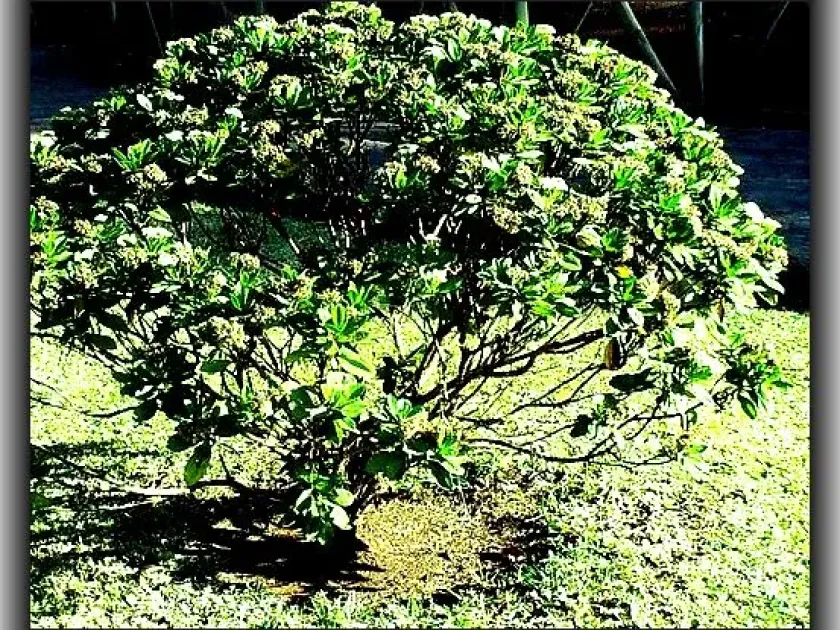
Description
Growing requirements
Syzygium glomeratum is a distinct species belonging to the Myrtaceae family, native to tropical environments where moisture and heat are consistent throughout the year. As an evergreen tree, it maintains a dense, lush canopy, which makes it an attractive subject for both fruit production and ornamental landscapes.
The plant requires deep, well-draining soil rich in organic matter to thrive. In commercial or home garden settings, it is essential to avoid sites prone to waterlogging, as the root system of the Syzygium genus is highly susceptible to hypoxia and secondary fungal infections under saturated conditions.
Regarding climate, this species is strictly tropical and cannot tolerate frost. Temperatures should ideally range between 22°C and 28°C. Exposure to sudden cold spells leads to significant stress, including chlorosis and leaf abscission, which can take the tree several months to recover from.
Light intensity plays a crucial role in plant development; while it thrives in full sun, young specimens benefit from filtered light to prevent tissue damage. Maintaining high relative humidity, particularly during the dry season, is necessary for optimal foliage development and fruit set.
Agricultural management includes regular pruning to manage the tree's size and encourage denser branching. This is particularly important for commercial yields, as the tree’s growth habit can become sparse if left unmaintained, reducing the available surface area for flowering.
Yield
The primary economic value of Syzygium glomeratum lies in its fruit, which is harvested for fresh consumption, preserves, and traditional beverages. The flavor profile is often prized in local markets for its uniqueness and botanical complexity characteristic of the genus.
Beyond fruit production, the species serves an important ornamental function. Its ability to tolerate shearing makes it ideal for topiary work and dense hedges, which provides wind protection for more sensitive crops in agroforestry systems.
Timber utilization is another secondary avenue, though it is usually reserved for local artisan use. The wood is dense and durable, suitable for small-scale carpentry, provided the trees are harvested according to sustainable management practices.
Yield stability is dependent on a healthy pollinator population, specifically bees and other insects that frequent the blossoms. In managed plantations, orchardists may introduce beehives to ensure a higher percentage of fruit set, especially in isolated planting areas.
Research into the genetics of this species is ongoing, aiming to select for higher yielding clones with improved resistance to environmental stressors. These advancements are expected to improve the viability of the crop in small-scale tropical farming operations.
Main diseases and pests
The plant is frequently affected by scale insects and mealybugs, which tend to congregate in the axils of leaves and along tender stems. These pests weaken the tree by extracting sap and producing honeydew, which can subsequently attract sooty mold.
Fungal infections such as leaf spot are common, especially in environments with poor air circulation or extended periods of high humidity. Preventive measures include thinning the canopy to improve airflow and applying preventive copper-based fungicides during the rainy season.
Root-knot nematodes can pose a significant threat in sandy soil conditions, causing stunted growth and poor fruit yield. Soil solarization or the use of organic amendments like neem cake is recommended to manage nematode populations in the rhizosphere.
Defoliating insects can occasionally cause outbreaks, requiring intervention if more than ten percent of the leaf surface is compromised. Integrated Pest Management (IPM) strategies, including the use of beneficial insects, are preferred over broad-spectrum insecticides.
- Monitor for pest outbreaks on new growth.
- Ensure excellent drainage to prevent root diseases.
- Prune during the dormant season to improve airflow.
- Sanitize pruning tools to prevent disease spread.