
Syzygium papyraceum
Syzygium papyraceum
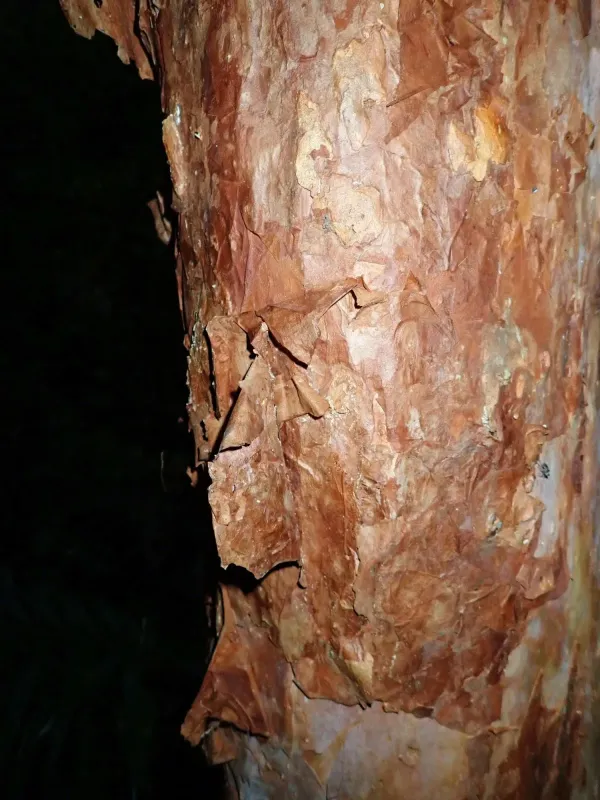
Description
Growing requirements
Syzygium papyraceum, commonly known as the paperbark satinash, is a tropical tree species belonging to the Myrtaceae family. It is recognized for its unique bark and dense, evergreen foliage which provides significant aesthetic value in suitable landscapes.
The species is native to the rainforests of northeastern Australia. It thrives in humid environments and requires consistent warmth, as it is highly intolerant to frost and cold-stress conditions common in temperate latitudes.
To ensure healthy growth, the tree requires well-drained, nutrient-rich soils. In agricultural settings, it is essential to maintain a moisture-retentive substrate while ensuring excess water can easily drain away to prevent root asphyxiation.
Light requirements for this species include partial to full sun exposure. While saplings benefit from light shade to protect their leaves from sunscald, mature trees prefer full sunlight to maintain their vigorous growth rate.
Agricultural management includes regular soil enrichment with organic matter and providing a mulch layer to conserve moisture and regulate the temperature around the shallow root system.
Main diseases and pests
Like many other Syzygium species, the paperbark satinash is susceptible to various pests, including scale insects and mealybugs that congregate on tender new growth and bark crevices.
Fungal pathogens such as leaf spot can become a problem if the canopy is too dense, preventing airflow. Pruning is essential to maintain structural health and reduce the risk of disease transmission.
Root rot, caused by Phytophthora or other water-borne fungi, remains the most significant threat if the drainage capacity of the planting site is compromised by soil compaction.
Integrated Pest Management (IPM) practices should be employed to mitigate damage, focusing on biological controls and proper site selection rather than heavy chemical reliance.
Regular monitoring of the foliage for signs of chlorosis or physical damage is vital for early intervention against nutrient deficiencies or sudden pest infestations.