
Syzygium pyrifolium
Syzygium pyrifolium
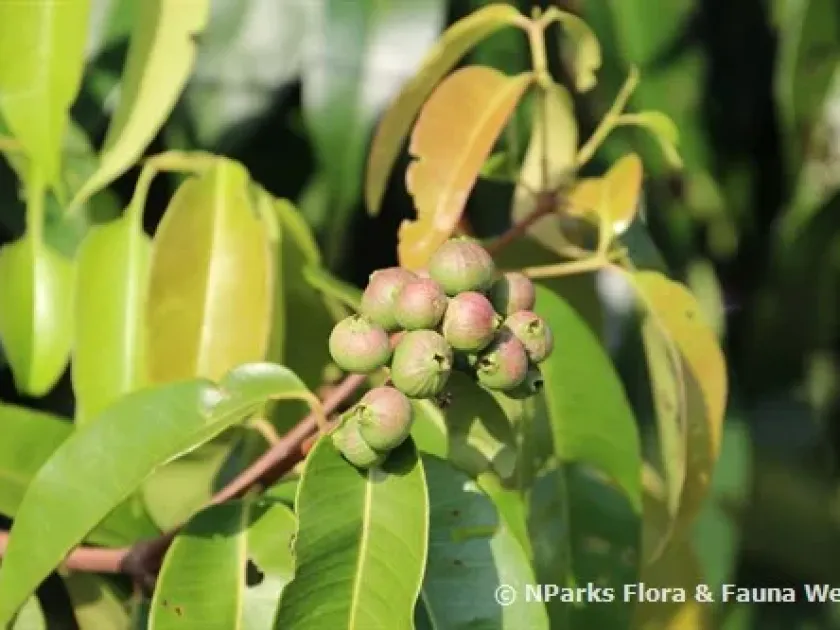
Description
Growing requirements
Syzygium pyrifolium is a woody evergreen species belonging to the Myrtaceae family. Originally native to the tropical regions of Southeast Asia, this plant is recognized for its ornamental value and edible fruit production in suitable climates.
The plant thrives in warm tropical or subtropical environments where temperatures remain relatively consistent year-round. It is not frost-tolerant, necessitating greenhouse cultivation in temperate zones to prevent cold-induced mortality of the tree.
Optimal growth requires well-draining, fertile, and slightly acidic soil. The species is sensitive to waterlogged conditions, which can quickly lead to root rot, but it simultaneously requires consistent moisture levels to sustain its evergreen foliage.
Light intensity is critical for the healthy development of this crop. While it appreciates full, bright light, exposure to harsh afternoon sun in hot climates can cause leaf scorching, making partial shading beneficial for younger specimens.
Agronomic management involves periodic fertilization using balanced NPK mixtures to support vigorous growth. Pruning is also essential, especially in controlled environments, to maintain a manageable shape and ensure that internal branches receive adequate airflow.
Yield
The fruit of Syzygium pyrifolium is typically small, fleshy, and highly prized for its unique flavor profile. Yields are optimized when the tree is provided with sufficient space and ideal nutritional levels during the flowering phase.
Main diseases and pests
Common pests include scale insects, spider mites, and mealybugs, which tend to congregate on the underside of the leaves. Maintaining proper air circulation and implementing Integrated Pest Management (IPM) strategies are crucial for long-term health.