
Syzygium moorei
Syzygium moorei
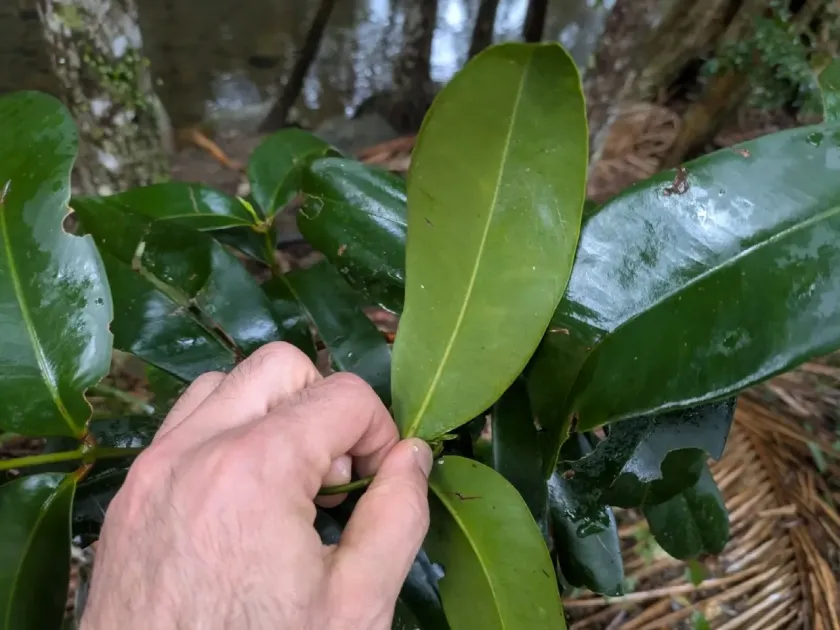
Description
Growing requirements
Syzygium moorei is a distinguished member of the Myrtaceae family, recognized for its dense, glossy foliage and its role in both ornamental and fruit production systems. Native to the rainforests of Eastern Australia, it thrives in environments that mimic its natural habitat.
The climate requirements for this species are strict, necessitating warm temperatures and high relative humidity. It is intolerant to frost and performs best in regions where the annual climate cycle remains consistently mild.
Soil management is paramount for this crop; it requires deep, well-draining, and nutrient-rich soils. While it appreciates moisture, stagnant water is detrimental and often leads to root rot, requiring growers to select sites with excellent topography or artificial drainage.
Regarding cultural practices, regular pruning is recommended to maintain the structure of the canopy and encourage better airflow, which reduces the incidence of various physiological stresses and disease outbreaks.
The tree responds positively to balanced fertilization programs, particularly those emphasizing micronutrients, which support the intense green pigment of the leaves and promote healthy flowering and subsequent fruit set.
Main diseases and pests
Pathogenic fungi represent the primary threat to the health of Syzygium moorei, especially in high-humidity environments. Leaf spot diseases and powdery mildew can significantly reduce the photosynthetic capacity if left unmanaged.
In terms of insect pressure, scale insects and aphids are the most prevalent pests. These pests extract phloem sap from young branches, creating honeydew that acts as a substrate for sooty mold growth, which further complicates plant health.
Effective management strategies incorporate Integrated Pest Management (IPM) practices, including the release of beneficial predatory insects that naturally control populations of harmful scale and mites.
Application of fungicides should be performed strictly during the early stages of disease onset, prioritizing products that minimize negative impacts on the local beneficial insect population.
Regular monitoring of the tree canopy, especially during transitions in seasonal humidity, is essential for early detection of potential outbreaks, ensuring the long-term productivity and survival of the cultivation.