
Syzygium hodgkinsoniae
Syzygium hodgkinsoniae
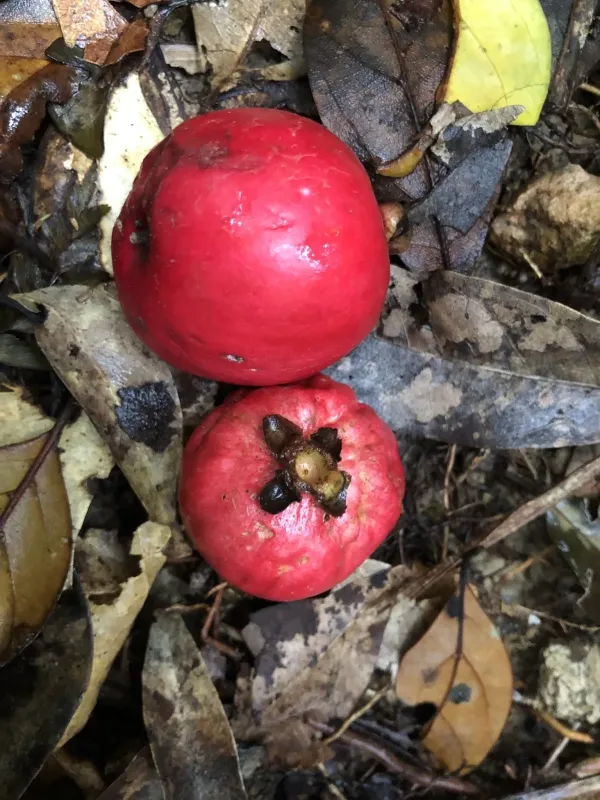
Description
Growing requirements
Syzygium hodgkinsoniae is an evergreen tree species belonging to the Myrtaceae family. It is recognized for its dense, glossy foliage and its status as a significant botanical treasure within the rainforests of Eastern Australia.
The plant thrives in subtropical climates that offer consistent humidity and stable temperatures. It requires a well-structured soil profile, preferably rich in organic matter and slightly acidic to neutral in pH level.
Water management is the cornerstone of its cultivation. The species is highly intolerant of drought, necessitating a reliable irrigation schedule to maintain soil moisture without causing waterlogging.
Light requirements shift with the age of the tree. While saplings are best kept in partial shade to mimic the forest understory, mature specimens develop a higher tolerance for full sun exposure.
Regular maintenance, including mulching to retain soil moisture and protect the root system from temperature fluctuations, is essential for promoting optimal growth rates in this species.
Yield
The plant produces edible fruit that contributes to the local biodiversity and attracts various avian species. These fruits are generally harvested manually during their peak ripening stage.
Although not a major commercial crop, the fruit possesses a unique flavor profile often utilized in niche culinary applications such as preserves, jellies, and artisan desserts.
Yield consistency is highly dependent on environmental conditions, specifically rainfall patterns during the pollination phase. Supplementary feeding during the early spring encourages more robust fruit development.
The wood of this species is known for its durability and strength. Historically, it was favored for specialized woodwork, although current harvest is limited by conservation regulations.
Researchers are increasingly interested in the species' genetic potential, focusing on its ability to adapt to changing environmental conditions as a resource for future agro-forestry projects.
Main diseases and pests
Common pests affecting Syzygium hodgkinsoniae include scale insects and mealybugs, which tend to congregate on the undersides of leaves and along tender stem growth.
Fungal pathogens such as leaf spot and root rot are frequent challenges when environmental conditions are excessively humid or when proper airflow within the canopy is neglected.
Effective disease management involves careful monitoring of the canopy, ensuring pruning is performed to improve ventilation, and applying preventative organic fungicides.
Pest outbreaks can be mitigated by introducing beneficial insects or using targeted horticultural oils that are safe for the surrounding ecosystem.
Ensuring the plant is not subjected to rapid environmental shifts is vital for maintaining its natural resistance against typical garden diseases and localized pests.