
Syzygium pycnanthum
Syzygium pycnanthum
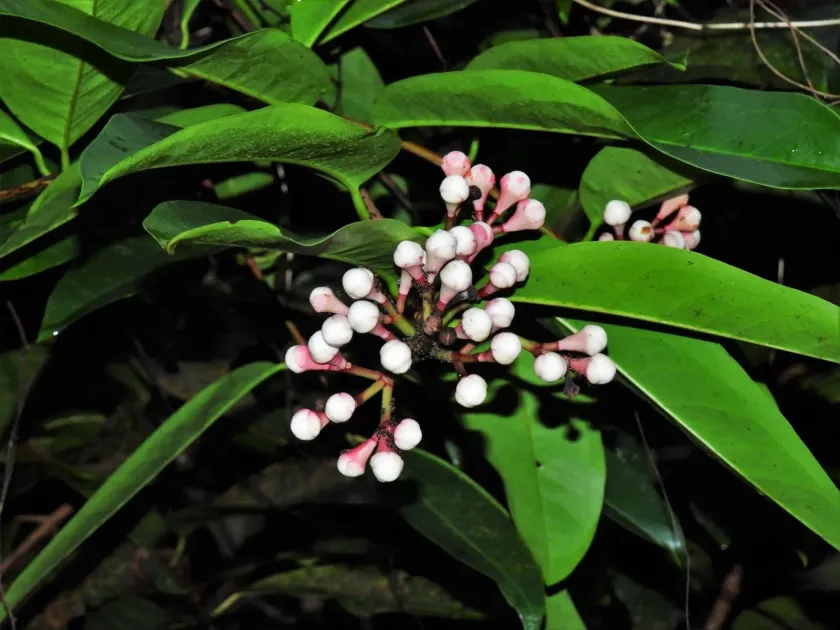
Description
Sowing dates
The propagation of Syzygium pycnanthum is primarily achieved through seeds or vegetative cuttings. Seeds have a short period of viability, so they should be sown immediately after extraction from the fruit into a nutrient-rich, well-drained substrate.
The ideal time for sowing in tropical regions is the onset of the rainy season, which provides the necessary humidity for successful seedling establishment. In controlled nursery environments, sowing can occur year-round provided that a stable climate is maintained.
Successful germination requires soil temperatures between 25 and 28 degrees Celsius. Seeds are typically planted at a depth of 1-2 centimeters, ensuring the soil remains loose to support early root development.
Transplanting seedlings to their permanent location is recommended when they reach a height of 30-40 centimeters. It is essential to protect young plants from direct, intense sunlight during the initial adaptation period in the field.
For commercial orchard establishment, planting density is usually set at intervals of 6 to 7 meters. This spacing allows for optimal canopy expansion and facilitates efficient access for maintenance and harvesting activities.
Growing requirements
Syzygium pycnanthum is a member of the Myrtaceae family, originating from the tropical rainforests of Southeast Asia. It is a strictly tropical species and cannot tolerate frost or temperatures below its physiological threshold for heat.
The plant thrives in fertile, well-drained soils rich in organic matter. While it can adapt to various soil types, a neutral to slightly acidic pH is preferred for optimal nutrient uptake and general tree health.
This species is highly water-dependent and sensitive to prolonged drought. Regular irrigation is necessary to maintain fruit quality and prevent excessive stress, which can lead to premature flower or fruit drop.
Abundant light is crucial for high-yield fruit production. While young trees may tolerate partial shade, mature specimens require full sun exposure to stimulate prolific flowering and ensure proper fruit maturation.
Proper field drainage is essential as the species does not tolerate waterlogging. Ensuring the water table remains at an appropriate level is critical for preventing root rot and supporting the tree's vigor.
Yield
The fruits of Syzygium pycnanthum are succulent berries highly valued for their aroma and culinary uses. Yield potential is influenced by tree maturity and the intensity of horticultural management applied by the grower.
Harvesting is typically done through selective picking because fruits do not ripen simultaneously. This labor-intensive process ensures that only mature, high-quality fruit reaches the market, maximizing the value of the produce.
Pruning is a vital practice to maintain productivity and tree health. Strategic thinning of the canopy improves light penetration and air circulation, which are both essential for consistent fruit sets and size.
Balanced mineral nutrition, specifically the application of potassium and phosphorus, plays a key role in improving the taste and shelf life of the berries. Regular soil fertilization with organic amendments supports long-term productivity.
Beyond its culinary utility, the tree serves as an ornamental asset in tropical landscaping, providing extra value to orchards and gardens due to its attractive foliage and flower structure.
Main diseases and pests
Common pests affecting this species include scales, aphids, and mealybugs, which feed on succulent plant tissues. If left unmanaged, heavy infestations can cause stunted growth and significant physiological stress to the tree.
Fungal diseases, such as anthracnose and leaf spots, are frequently encountered in high-humidity environments. These pathogens can affect both leaves and developing fruit, potentially reducing overall crop quality.
Root rot, typically caused by Phytophthora species, is a serious threat associated with improper irrigation and poor soil drainage. This disease can be fatal to mature trees if preventative drainage measures are not strictly followed.
Integrated pest and disease management is highly recommended, focusing on regular monitoring, sanitation pruning, and the use of biological control agents to maintain a healthy ecosystem within the orchard.
Ensuring good airflow within the tree canopy is one of the most effective ways to prevent fungal infections. Prompt removal of infected plant debris is necessary to keep disease pressure low and ensure sustainable production.