
Syzygium glabratum
Syzygium glabratum
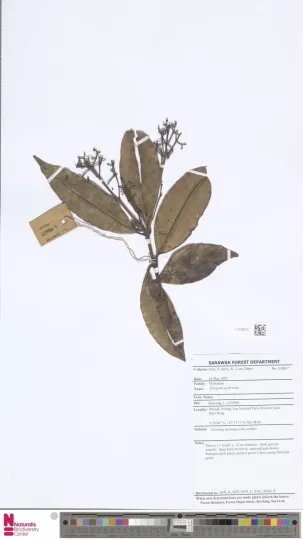
Description
Growing requirements
Syzygium glabratum is an evergreen woody plant belonging to the Myrtaceae family. Known for its lush foliage and adaptive nature, this species thrives primarily in tropical regions where high humidity and warm temperatures persist throughout the year.
The culture requires a frost-free environment to develop properly, as it is highly sensitive to cold stress. Ideally, it grows in areas that mimic its native rainforest habitat, with consistent light exposure and protection from strong, drying winds.
Regarding soil requirements, Syzygium glabratum prefers well-drained, fertile substrates rich in organic matter. A slightly acidic to neutral pH level is optimal, as it allows for the efficient uptake of essential macronutrients like nitrogen, phosphorus, and potassium.
Moisture management is critical; while the plant enjoys regular watering, it cannot tolerate waterlogged soil, which leads to root suffocation and decay. Implementing efficient drainage systems is necessary to maintain the health of the root system during wetter seasons.
Regular fertilization with a balanced, slow-release fertilizer is recommended to support continuous vegetative growth. Avoiding heavy salinity in the soil is crucial, as members of the Myrtaceae family are often sensitive to high salt concentrations.
Yield
The economic utilization of Syzygium glabratum spans from ornamental landscaping to the production of high-density, durable timber. Although its fruits may have local culinary applications, the plant is primarily valued for its slow-growing, robust wood.
Yield efficiency is highly dependent on rigorous pruning schedules and canopy management. By thinning branches to allow for better sunlight penetration, cultivators can stimulate fruit production and improve the overall structure of the trees for timber harvesting.
Timber from this species is sought after for its fine grain and resistance to environmental degradation, making it suitable for high-end cabinetry and decorative woodworking. Quality harvest results are achieved through consistent spacing and long-term plantation management.
Regular pruning not only helps in managing the tree shape but also prevents overcrowding within the plantation, which promotes faster individual growth rates. Proper canopy density management is the primary factor in optimizing biomass production over time.
While the investment cycle is long due to the nature of wood production, careful adherence to professional agronomic practices ensures steady yields and high product quality. Sustainable harvesting techniques are recommended to maintain plantation longevity.
Main diseases and pests
Root rot is the most significant disease threat to Syzygium glabratum, usually caused by overwatering or poor soil structure. Preventive measures include regular soil testing and the application of fungicides if fungal infection signs appear in the root zone.
Pests like scale insects and spider mites often target young leaves and tender stems, feeding on plant sap and reducing vigor. Integrated pest management, including the use of systemic insecticides and neem oil, is effective in keeping populations under control.
Powdery mildew can emerge in conditions of high humidity with low airflow, leading to reduced photosynthetic capacity. Improving air circulation around the plants and using certified biological controls can mitigate this issue effectively.
Soil-borne nematodes can cause root system degradation, leading to stunted plant growth and overall decline. Implementing crop rotation or pre-planting soil sterilization are standard practices to minimize these subterranean threats.
Maintaining a healthy crop through constant monitoring and prompt intervention is essential for success. A proactive approach to plant health minimizes the impact of potential threats and ensures maximum agricultural performance.