
Syzygium ingens
Syzygium ingens
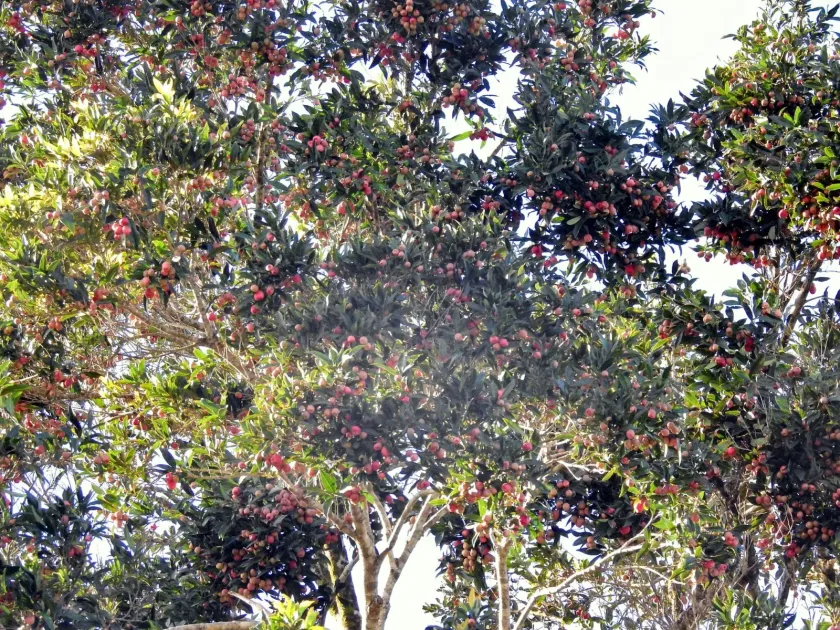
Description
Growing requirements
Syzygium ingens, commonly known as the giant syzygium, is a remarkable evergreen tree species belonging to the Myrtaceae family. It is recognized for its impressive stature and dense foliage, which contributes significantly to the forest canopy in its natural range.
This species is native to the lush, moist tropical and subtropical rainforests of Australia. It thrives in environments that provide consistent moisture and warm temperatures throughout the year, making it unsuitable for regions prone to harsh winters or severe frosts.
The ideal soil for Syzygium ingens is deep, fertile, and well-drained. While the plant requires plenty of moisture, it is sensitive to waterlogged conditions, which can inhibit root health; therefore, proper soil structure is essential for long-term survival.
In terms of light, the tree requires abundant sunlight to support its vigorous growth. Young trees may benefit from partial shade during their early establishment phase, but mature individuals are highly adapted to full sun exposure, which is necessary for fruit production.
Agricultural management involves regular mulching to keep the root zone cool and hydrated, alongside appropriate fertilization. Using organic matter to enrich the soil helps simulate the tree's natural rainforest habitat, promoting overall vigor and growth rate.
Yield
The timber of Syzygium ingens is highly valued for its quality, being dense and structurally robust. Historically, it has been used in high-quality furniture making, cabinetry, and various types of construction work, showcasing its economic versatility.
The fruit of the tree is edible and possesses a unique profile. While it may not be a staple commercial crop globally, it holds importance in local diets and offers potential for niche food industries, particularly in the production of exotic jams, jellies, and preserves.
In landscaping and urban planning, this tree serves as a prominent ornamental species. Its massive size and evergreen canopy make it a preferred choice for large parks and botanical gardens, providing aesthetic value and significant shade in tropical landscapes.
The species plays an essential role in ecological restoration. By providing food and shelter for various avian species and pollinators, it actively supports biodiversity, making it an excellent candidate for rewilding projects within its natural range.
The commercial development of Syzygium ingens as a crop continues to evolve. Ongoing selection and propagation techniques could lead to improved varieties that offer better yield and fruit quality, further enhancing its position in tropical agriculture.
Main diseases and pests
Like many species in the Myrtaceae family, Syzygium ingens is susceptible to various fungal pathogens, particularly those triggered by excessive soil moisture and poor airflow. Preventing stagnation of water around the root system is the primary defense.
Pests such as mealybugs and scale insects represent a common threat to the tree's health, often congregating on younger shoots. Integrated pest management strategies, focusing on biological controls, are highly recommended to keep infestations at manageable levels.
Defoliating insects can occasionally cause significant damage to the leaf canopy, reducing the tree's photosynthetic capacity. Regular scouting for early signs of infestation is crucial to prevent widespread damage to young plantations.
Environmental stress, such as extended dry periods, can lower the tree's natural resistance to pests and diseases. Ensuring a consistent irrigation schedule during the dry season is vital for maintaining the plant's structural integrity and immune response.
Sanitation practices within the nursery and field are essential. This includes the prompt removal and disposal of any infected material to prevent the spread of localized outbreaks, ensuring the long-term health and productivity of the crop.