
Syzygium revolutum
Syzygium revolutum
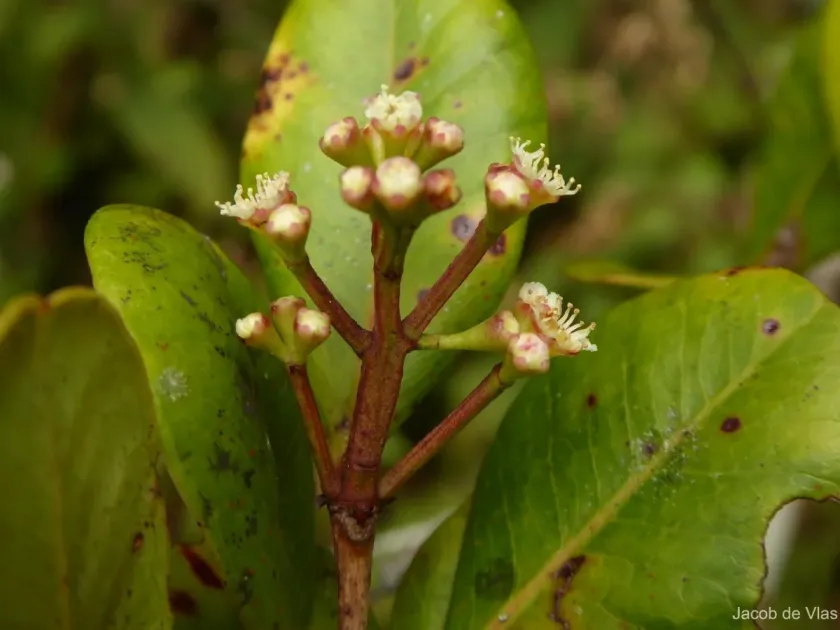
Description
Growing requirements
Syzygium revolutum is a member of the Myrtaceae family, native to tropical regions where it thrives in warm, humid conditions. It is known for its distinct evergreen foliage and slow, dense growth habit, making it a valuable subject for both botanical research and ornamental horticulture.
The plant requires a well-draining, slightly acidic soil substrate. Integrating organic compost or coco peat into the soil mix helps retain necessary moisture while preventing the roots from becoming waterlogged, which is a common physiological challenge in this species.
Regarding climate, Syzygium revolutum needs consistent temperatures between 20°C and 28°C. It is highly sensitive to frost and sudden temperature drops, which can lead to significant leaf drop and vascular stress in the plant tissues.
Lighting should be bright but filtered. Prolonged exposure to harsh, direct sunlight during the middle of the day can cause scorching of the leaves, while insufficient light levels will result in weak, spindly growth and poor leaf development.
Watering frequency should be adjusted based on the seasonal growth cycle. During active growth, the plant benefits from thorough watering whenever the top layer of the soil feels dry to the touch, ensuring that excess water is drained promptly from the pot.
Main diseases and pests
Pest pressure often includes spider mites and scale insects, which are attracted to the plant in dry environments. Implementing a routine monitoring schedule for these pests is essential to prevent infestations from compromising the overall health of the specimen.
Root rot caused by Phytophthora or Pythium species is a major threat if soil aeration is poor. Maintaining proper soil health and using sterile planting tools helps mitigate the risk of these soil-borne pathogens establishing in the root zone.