
Syzygium sandwicense
Syzygium sandwicense
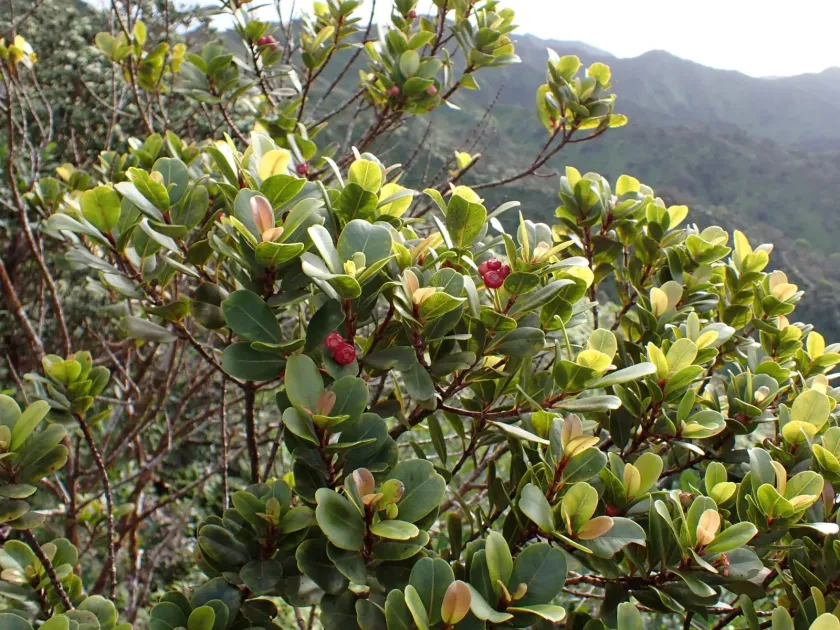
Description
Growing requirements
Syzygium sandwicense, commonly known as the Hawaiian Syzygium, is a prominent member of the Myrtaceae family. It is endemic to the Hawaiian Islands, where it thrives in moist, high-altitude rainforests, playing a critical role in local forest ecology.
For agricultural cultivation, the crop requires deep, well-draining, and nutrient-rich soils. The ideal substrate should be slightly acidic, mirroring the volcanic soil composition typical of its native range. Adequate drainage is the most vital factor to prevent root rot in high-humidity environments.
The climate requirements include consistent tropical temperatures, typically between 18°C and 28°C, and high relative humidity. While the plant can tolerate light shade, it benefits from filtered sunlight to stimulate vigorous growth and optimal leaf development.
Botanically, it is a robust tree characterized by its glossy, elliptical leaves and clusters of small, white-to-pinkish flowers with prominent stamens. These features are typical of the Syzygium genus and contribute to the plant's structural complexity in plantation settings.
Economically, the species is utilized for its edible fruit, which serves as a traditional food source. The wood is also historically valued for its durability and resistance to wear, making it suitable for specific artisanal and tool-making applications.
Main diseases and pests
Fungal pathogens represent the most significant threat to the crop, particularly under conditions of poor ventilation and high moisture. Rust and leaf spot diseases can severely impact photosynthetic capacity if not managed through proper canopy thinning.
Insect pests such as scale insects and mealybugs frequently colonize young growth. These pests extract sap, weakening the plant and encouraging the growth of sooty mold, which impairs the plant's ability to breathe and process nutrients.
Root-knot nematodes can also be a hidden threat, especially in sandy or improperly sterilized soils. They cause stunted growth and nutrient deficiencies that often mimic other health issues, requiring targeted soil management strategies.
Integrated Pest Management (IPM) is highly recommended. This involves a combination of monitoring, the use of predatory insects, and targeted bio-rational pesticides to keep populations below the threshold of economic damage.
Maintaining strong plant health through balanced nutrient application—specifically avoiding excessive nitrogen that triggers succulent growth—is a primary defense against both primary and secondary pest outbreaks.