
Syzygium maire
Syzygium maire
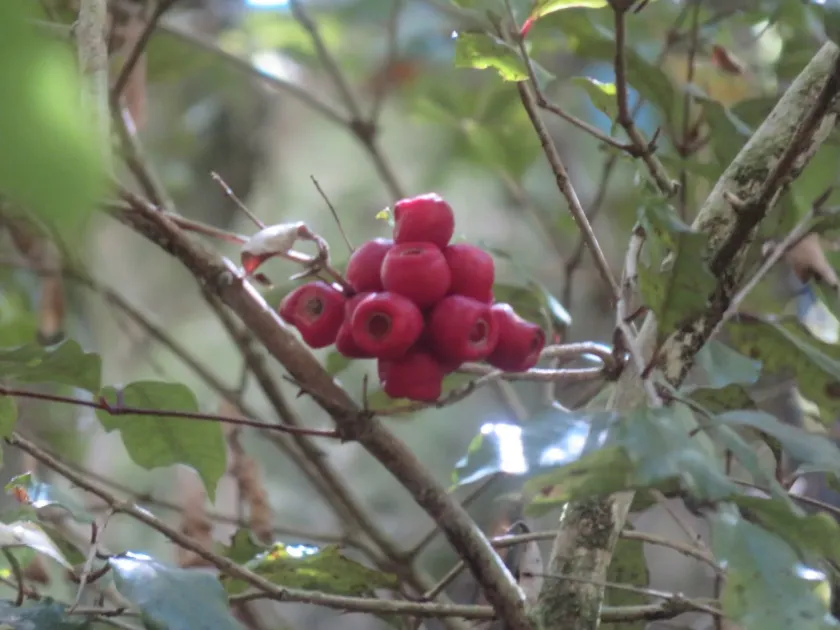
Description
Growing requirements
Syzygium maire is an evergreen plant species belonging to the Myrtaceae family. Originally from New Zealand, this species is highly valued for its dense foliage and attractive growth form, which makes it a unique addition to specialized horticultural collections.
The climate requirements for this plant are centered on maintaining a temperate to subtropical environment. It thrives best in sheltered positions where extreme temperature drops are avoided, as frost can cause significant structural damage to young plants.
Regarding soil and site conditions, Syzygium maire prefers well-drained, fertile soil rich in organic matter. The root system is quite sensitive to waterlogging, necessitating excellent drainage in both container-based and garden-bed cultivation settings to ensure root health.
Agronomic management involves consistent irrigation practices, especially during active growth periods. While the plant can tolerate short periods of moderate dryness, it performs best when the soil moisture is maintained at a steady, consistent level throughout the growing season.
In terms of agricultural and horticultural use, Syzygium maire is primarily utilized for ornamental landscaping. Its slow-growing nature makes it an excellent candidate for controlled environments where refined aesthetics and dense, manageable foliage are required for architectural planting.
Main diseases and pests
The main pests affecting Syzygium maire include scale insects and mealybugs, which tend to congregate in the axils of leaves or along the woody stems. These insects drain sap, which can lead to stunted growth and a general decline in the plant's overall health if left untreated.
Fungal pathogens represent a significant threat to this species, particularly when high humidity is combined with poor airflow. Root rot is a common issue resulting from overwatering or poorly draining soil media, which often leads to rapid plant decline.
Spider mites are another common nuisance, particularly in dry indoor environments or during periods of low humidity. These pests can cause chlorosis or bronzing of the leaves, which detracts from the plant's decorative value and reduces its photosynthetic capacity.
Effective management includes regular monitoring and the use of integrated pest management strategies. Manual removal of pests, combined with biological control methods or soft-soap treatments, is often more effective than harsh chemical interventions for this delicate species.
Sanitation is a vital component of disease control; removing fallen debris and dead foliage prevents the buildup of fungal spores. Ensuring adequate air circulation around the canopy is essential to keep the foliage dry and reduce the likelihood of leaf-spot diseases.