
Syzygium ridleyi
Syzygium ridleyi
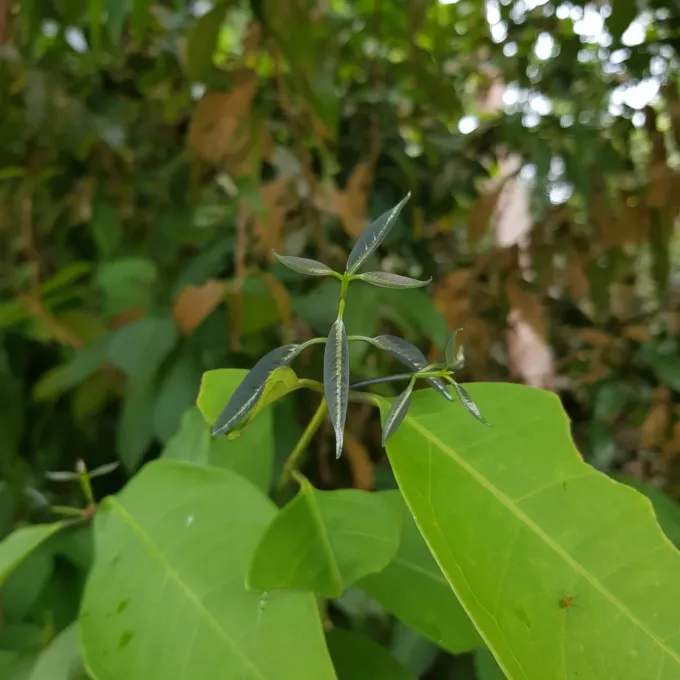
Description
Growing requirements
Syzygium ridleyi is a tropical tree species belonging to the Myrtaceae family. It is native to the rainforest ecosystems of Southeast Asia, specifically found in regions of Malaysia, where it thrives in humid, evergreen environments.
This species is highly adapted to tropical climatic conditions. It requires consistent warmth with temperatures ideally maintained between 22 and 30 degrees Celsius, as it lacks frost tolerance and struggles in cold drafts.
The plant requires high levels of ambient light to maintain its structural integrity and leaf development. However, exposure to intense direct sunlight in mid-afternoon should be mediated to prevent leaf scorch, especially for younger specimens.
Proper soil composition is crucial for successful growth. The substrate must be fertile, well-draining, and slightly acidic. A mix of organic matter and inorganic material is recommended to ensure both nutrient availability and aeration of the roots.
Agricultural management requires careful water scheduling. While moisture is essential, the soil must never become waterlogged, as this rapidly leads to root hypoxia and subsequent decline in plant health.
Main diseases and pests
Common pests affecting Syzygium ridleyi include scale insects and mealybugs. These sap-sucking pests often congregate on the undersides of leaves and at the nodes, depleting the plant's resources.
Spider mites are a significant threat in indoor or greenhouse environments with low humidity. Controlling the microclimate and ensuring proper airflow can significantly reduce the risk of an infestation.
Fungal pathogens such as root rot (Phytophthora spp.) are primarily caused by over-irrigation or inadequate drainage. Preventing such conditions is the most effective form of plant protection.
Leaf spot diseases can occur due to high humidity combined with poor ventilation. Maintaining a strict sanitation schedule, including the removal of dead or decaying foliage, is essential for disease prevention.
Chemical control should be used as a last resort, prioritizing organic horticultural oils and insecticidal soaps to address pest outbreaks. Integrated pest management practices remain the industry standard for this species.