
Syzygium glenum
Syzygium glenum
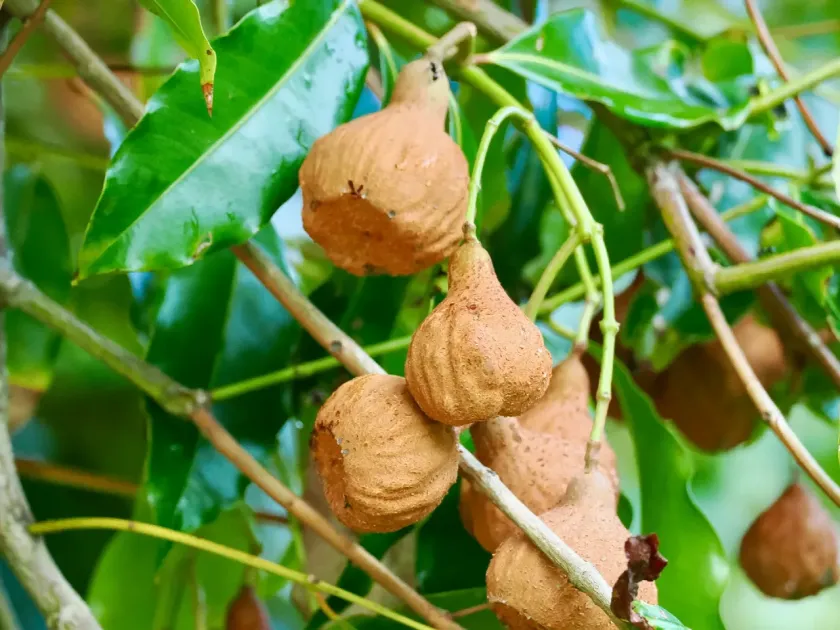
Description
Growing requirements
Syzygium glenum is a distinct species within the Myrtaceae family, known for its specific ecological requirements and tropical origin. As an evergreen woody plant, it thrives in environments that mimic the humid conditions of tropical rainforests, maintaining continuous metabolic activity throughout the growing season.
The climate requirements for this species are strict, necessitating consistently warm temperatures and high humidity levels. It lacks tolerance for frost, making it a plant suitable primarily for greenhouse cultivation or tropical conservatory settings where precise thermal management can be maintained year-round.
Soil requirements revolve around excellent drainage and organic richness. The ideal growing medium is a well-aerated substrate, usually a mixture of peat, humus, and inorganic components like perlite to prevent root asphyxiation. Maintaining a slightly acidic to neutral pH is vital for nutrient uptake.
Agricultural management requires careful attention to light exposure. While the plant prefers bright, filtered light, intense direct sunlight can damage delicate leaf tissues, requiring the use of shade cloths in high-intensity greenhouse environments to ensure optimal photosynthetic efficiency.
The economic and research significance of Syzygium glenum lies in its potential for botanical study and its aesthetic value in collections. Researchers focus on its physiological responses to controlled environment stressors, contributing to the broader understanding of the Myrtaceae family's resilience and diversity.
Main diseases and pests
Agricultural threats to Syzygium glenum are primarily associated with fungal pathogens that flourish in poor drainage conditions. Root rot is a common issue, often exacerbated by overwatering or soil compaction, which hinders oxygen circulation to the root zone and compromises the structural health of the plant.
Common pests include scale insects and mealybugs, which are notorious for attaching themselves to the stems and leaf axils. These pests weaken the plant by extracting phloem sap and producing honeydew, which subsequently fosters the growth of sooty mold, negatively impacting the plant's aesthetic and vitality.
Spider mites represent a major challenge in low-humidity indoor environments, causing chlorosis and fine webbing on leaves. Effective control measures include maintaining adequate air moisture and, in cases of severe infestation, the application of specialized acaricides approved for indoor agricultural use.
Prevention strategies emphasize the importance of strict quarantine for any new plants introduced to an existing greenhouse. Regular sanitation of tools and benches is essential to prevent the cross-contamination of viral and bacterial pathogens that may otherwise remain undetected until significant damage occurs.
Effective management requires a proactive integrated pest management (IPM) approach. By combining biological controls, such as predatory mites, with careful environmental monitoring, growers can maintain the health of their crops while minimizing reliance on harsh chemical interventions.