
Syzygium grande
Syzygium grande
Description
Growing requirements
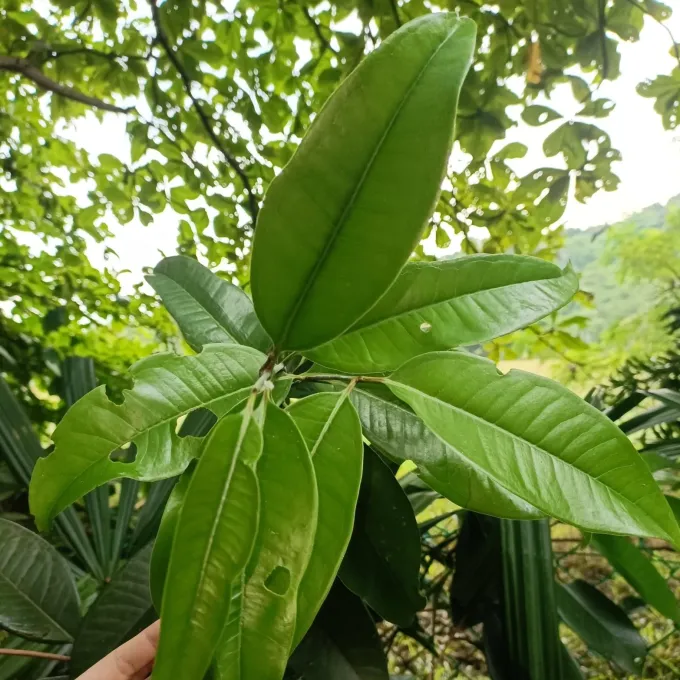
Syzygium grande is a robust evergreen tree that belongs to the Myrtaceae family. In its natural environment, it serves as a dominant canopy species, often reaching impressive heights.
The species is native to Southeast Asia, particularly thriving in the tropical forests of Malaysia, Thailand, and Indonesia. It is well-adapted to high-rainfall environments with constant humidity.
The plant requires deep, fertile, and well-draining soil to support its extensive root system. It thrives in locations where soil moisture is consistent but avoids areas prone to waterlogging.
Climatic requirements demand tropical temperatures, generally ranging between 20 and 32 degrees Celsius. It is strictly frost-sensitive and requires protection in cooler microclimates.
In landscaping, it is highly valued for its dense, glossy foliage and large structure. It is frequently utilized in urban forestry and as a windbreak in tropical agricultural settings.
Main diseases and pests
Fungal leaf spot diseases are the primary concern, especially in areas with stagnant air circulation. Pruning is essential to ensure adequate airflow and sunlight penetration through the dense canopy.
Pests such as scale insects and mealybugs frequently target the succulent younger leaves and stems. Persistent monitoring is required to prevent widespread infestation during the growing season.
Root rot caused by waterlogged soil is a significant threat to the plant's health. Improving site drainage is the most effective management strategy to mitigate this risk.
Aphids can occasionally cluster on new growth, causing leaf curling and reduced vitality. Managing ant populations on the tree can often help control the aphid levels naturally.
General tree health is maintained through proper nutrient management and avoiding mechanical damage to the trunk. Early detection of any pathogens ensures the longevity of the specimen.