
Syzygium oblatum
Syzygium oblatum
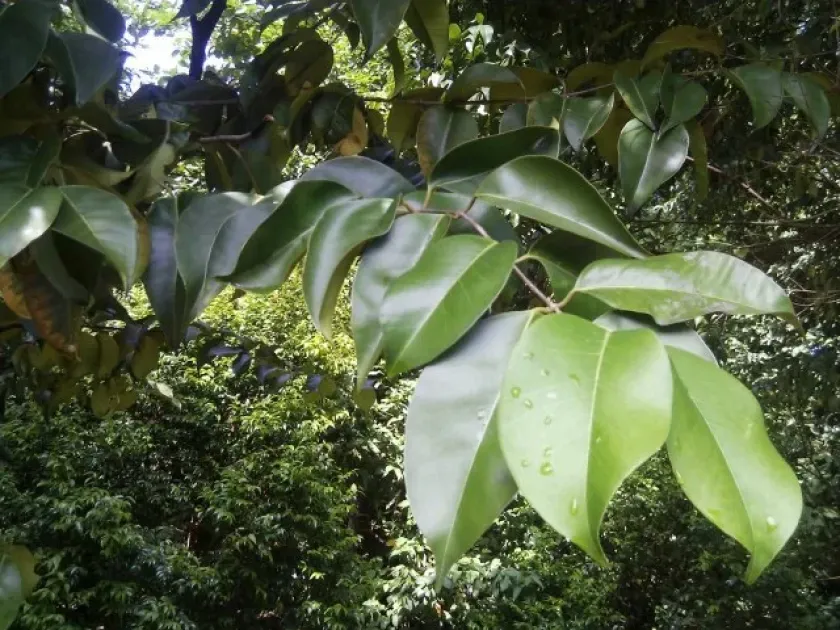
Description
Growing requirements
Syzygium oblatum is an evergreen woody plant belonging to the Myrtaceae family. Native to tropical forest ecosystems in Southeast Asia, this species thrives in environments characterized by high humidity and consistent warmth throughout the growing season.
The plant is highly sensitive to cold and frost; it requires a frost-free environment to maintain its metabolic activity. In agricultural settings, it is best suited for zones where temperature fluctuations are minimal, ensuring stable development of both vegetative and reproductive organs.
Optimal growth is achieved in deep, well-drained soils rich in organic matter. Soil drainage is critical, as the roots are highly susceptible to hypoxia if waterlogging occurs. Providing an aerated medium is essential for the long-term health of the plantation.
Agronomic management includes frequent irrigation schedules to maintain adequate soil moisture levels. While the plant is light-demanding, nursery-stage plants or young saplings often require protective shading from direct intense sunlight to prevent desiccation and foliar scorching.
Botanically, Syzygium oblatum displays typical Myrtaceae traits: leathery, opposite leaves and aromatic foliage. The wood is notably dense, and the plant structure often requires periodic pruning to facilitate harvest efficiency and maintain crown structure in commercial groves.
Yield
The yield of Syzygium oblatum varies based on tree maturity and cultural practices. Mature trees under ideal management produce consistent fruit sets, which are harvested manually to ensure the quality of the delicate tropical produce.
Harvested fruits are typically utilized in local markets for direct consumption or processing into various culinary products. Modern cultivation techniques focus on optimizing tree canopy density, which directly correlates to the total fruit weight per hectare.
Main diseases and pests
Major pests affecting this crop include common sap-sucking insects like scale insects, mealybugs, and spider mites. Integrated pest management (IPM) protocols are necessary to keep populations below economic injury levels without compromising the environment.
Fungal diseases, specifically leaf spots and various forms of root decay, are prevalent in high-humidity areas. Maintaining good airflow through the canopy by thinning branches is a primary cultural control method for mitigating disease outbreaks in commercial orchards.