
Syzygium papillosum
Syzygium papillosum
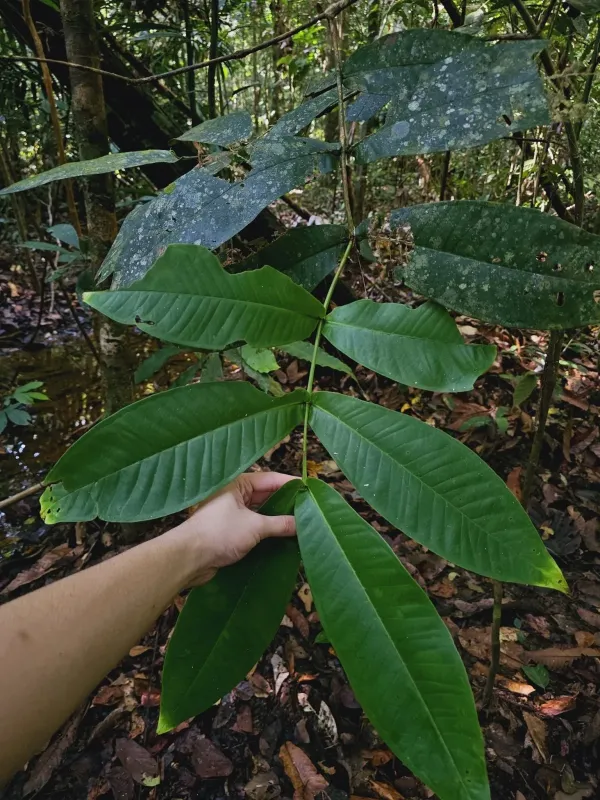
Description
Growing requirements
Syzygium papillosum is a prominent member of the Myrtaceae family, distinguished by its evergreen nature and botanical resilience in tropical forest ecosystems.
The species originated in Southeast Asia, where it thrives in high-humidity environments, requiring consistent warmth and protection from frost-prone conditions.
Optimal growth requires well-drained, nutrient-rich soils with a slightly acidic profile, ensuring the plant receives adequate moisture without risking root rot.
Agronomic management involves maintaining optimal air humidity and implementing structural pruning to ensure the tree maintains a healthy canopy density.
In agricultural practice, this plant is cultivated for its unique fruit properties and its value as a botanical specimen in tropical gardening and agroforestry systems.
Main diseases and pests
The primary threats to Syzygium papillosum involve fungal pathogens, particularly those causing leaf spot diseases in humid, stagnant-air environments.
Insects such as scale insects and mealybugs often present challenges by feeding on the sap of tender shoots, which may lead to stunted tree growth.
Pest management protocols should emphasize the early detection of symptoms on the underside of leaves and along the tender branches of the tree.
Environmental stress, such as waterlogging or severe drought, significantly weakens the tree's immune system, making it more susceptible to secondary infections.
Sustainable control methods, including the introduction of beneficial predatory insects or targeted pruning, are favored over heavy chemical intervention.