
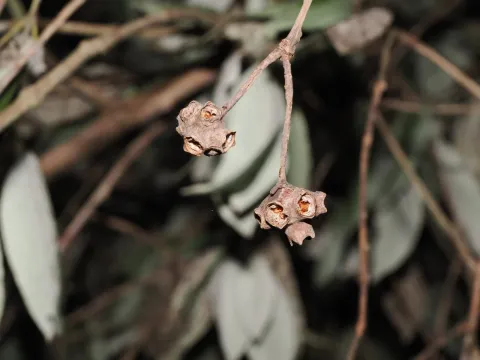
Syncarpia
Syncarpia
Syncarpia is a genus of evergreen trees belonging to the Myrtaceae family. These majestic trees are known for their distinct flower heads, where individual blossoms are fused together, giving the genus its scientific name.
What the section contains


Syncarpia
The genus originates from the coastal rainforests and moist sclerophyll forests of eastern Australia. These trees are highly valued in their native range for their ability to thrive in deep, fertile soils and humid conditions.
Regarding site requirements, Syncarpia trees prefer locations with high annual rainfall and deep, well-draining loamy soils. While they are resilient in their native habitat, they struggle in areas with poor drainage or extreme seasonal droughts.
Climate adaptation is a critical factor, as these trees are sensitive to frost. Successful cultivation requires a tropical or subtropical climate where temperatures remain consistent throughout the year to support continuous vegetative growth.
In terms of хозяйственное использование, the wood of Syncarpia is highly prized for its exceptional durability. It is often used in heavy engineering, such as the construction of piers, wharves, and railway sleepers, due to its resistance to decay and marine borers.
Syncarpia trees face several pathological threats, primarily fungal infections that target the roots if soil moisture is not managed correctly. Waterlogged conditions are the primary driver of root rot outbreaks in plantations.
Insect pests, including various species of leaf-eating beetles and wood-boring larvae, can significantly impact tree health. These pests can weaken the structure of the trunk, which reduces the overall value of the timber produced.
Environmental stress, such as extreme heat waves combined with drought, can lead to foliage scorching and increased susceptibility to secondary infections. Maintaining adequate hydration is the best defense against environmental stress.
Biosecurity measures are essential to prevent the introduction of exotic pests that may target Myrtaceae species. Regular monitoring programs are standard practice in professional timber production zones.
Integrated pest management strategies focusing on thinning and canopy ventilation help maintain a healthy growth environment, preventing the buildup of fungal spores and pest populations.