
Syzygium pachyphyllum
Syzygium pachyphyllum
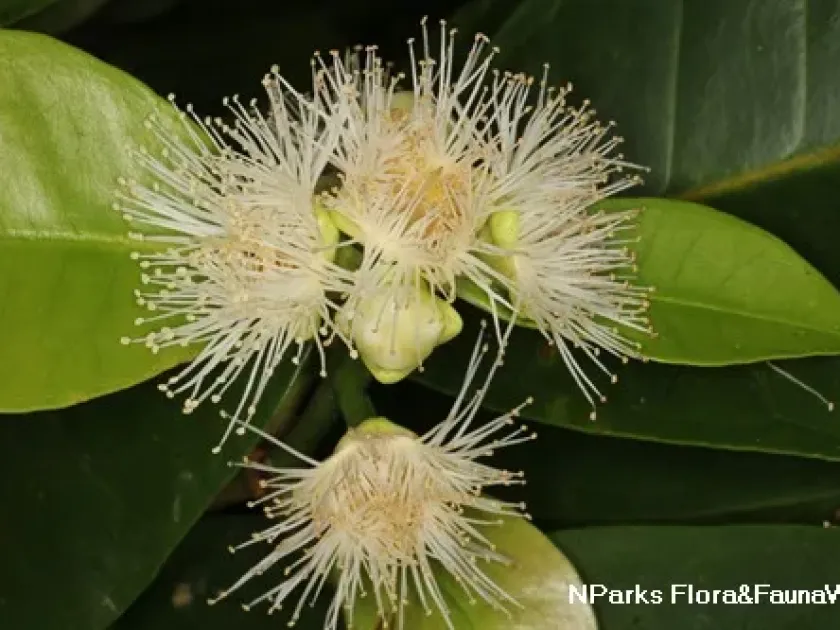
Description
Growing requirements
Syzygium pachyphyllum is a woody evergreen plant belonging to the Myrtaceae family, native to the tropical rainforests of Southeast Asia where it thrives under canopy shade.
The plant is distinguished by its robust, leathery foliage, which serves as a biological adaptation to humid environments with varying intensity of tropical sunlight.
Successful cultivation requires a stable tropical climate with minimal temperature fluctuations and high relative humidity throughout the entire growing season.
Agronomic requirements include well-draining, nutrient-rich soils with a slightly acidic pH, as waterlogging is extremely detrimental to the root system health.
The economic value of this species is primarily focused on landscape gardening and botanical research, as it offers unique structural characteristics for greenhouse and conservatory environments.
Main diseases and pests
Common pests affecting Syzygium pachyphyllum in nursery or greenhouse conditions include spider mites, mealybugs, and scale insects which colonize the leaf underside.
Fungal diseases are a significant threat, particularly root rot, which is often induced by excessive irrigation and lack of proper soil aeration in containerized plants.
Integrated pest management strategies involve regular monitoring, mechanical removal of pests, and the use of targeted biological or chemical control agents.
Maintaining proper hygiene by clearing debris around the root zone helps prevent the accumulation of pathogens that compromise the tree's vigor.
Adequate ventilation is critical for mitigating the risk of leaf spot diseases caused by high-humidity pathogens that frequently occur in stagnant air environments.