
Syzygium nervosum
Syzygium nervosum
Description
Growing requirements
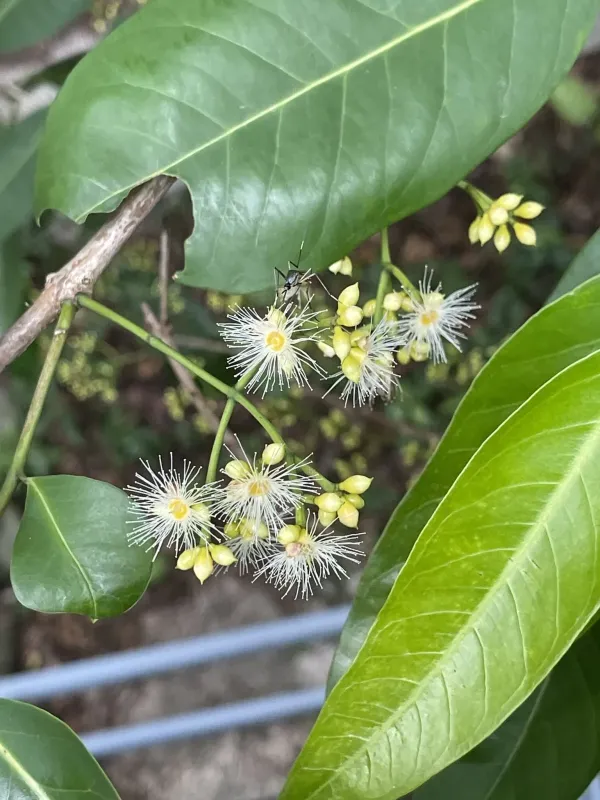
Syzygium nervosum is an evergreen tree belonging to the Myrtaceae family, native to the tropical forests of Southeast Asia and Australia.
The species thrives in warm tropical climates and is highly intolerant to frost, requiring consistent temperatures throughout its growth stages.
It prefers well-drained, deep, and nutrient-rich soils with a slightly acidic to neutral pH level to ensure proper development of its root system.
High humidity levels and adequate rainfall are essential for the plant to maintain its evergreen foliage and ensure continuous physiological growth.
While the tree enjoys full sun exposure in its mature stage, young saplings benefit from partial shade to protect them from excessive evaporation.
Yield
The timber of Syzygium nervosum is highly valued for its durability and resistance, often utilized in construction and specialized woodworking industries.
The edible fruits of the tree are consumed locally and serve as a component in traditional herbal remedies due to their medicinal properties.
Its leaves and bark are rich in bioactive compounds, making the species relevant for the essential oil industry and local pharmacological applications.
In forestry projects, the tree is planted to support ecological restoration and improve soil structure in degraded tropical landscapes.
Harvesting efficiency is typically linked to sustainable management practices that allow for periodic extraction of timber and fruit without damaging the ecosystem.
Main diseases and pests
The primary threats to this species include fungal infections, particularly those affecting the foliage in environments with poor air circulation.
Insect pests, including various leaf-chewing larvae and sap-sucking insects, may cause significant damage to young growth during the wet season.
Management of these threats involves regular monitoring of canopy health and the implementation of organic pest control strategies when necessary.
Proper spacing during planting is critical to reduce the prevalence of diseases by ensuring adequate sunlight and wind penetration through the leaves.
Maintaining soil fertility through organic amendments helps the trees withstand stress and recover more quickly from potential pest infestations.