
Syzygium hybrid
Syzygium hybrids
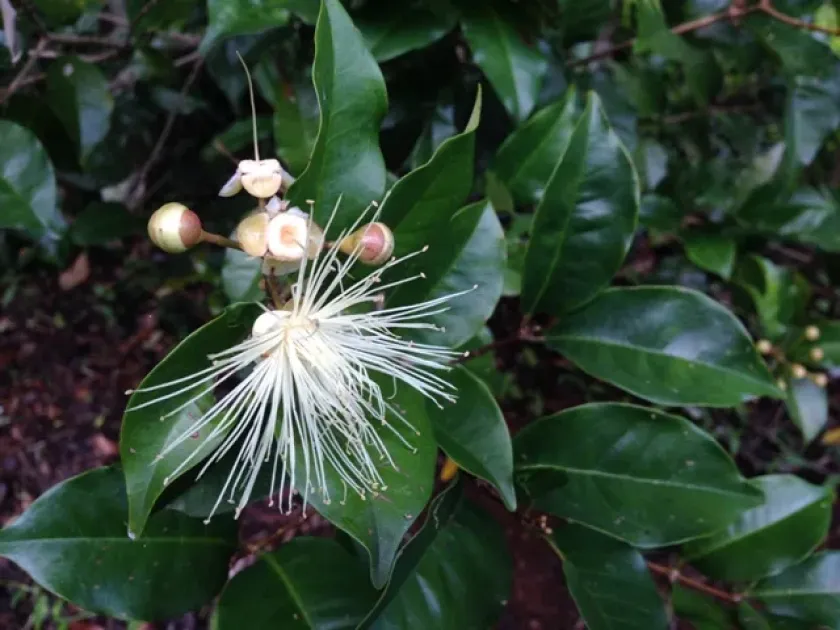
Description
Growing requirements
Syzygium hybrid is a prominent representative of the Myrtaceae family, highly regarded in tropical horticulture for its rapid growth, dense foliage, and ornamental fruit production. This crop is successfully grown in various tropical regions globally for both fruit harvesting and landscape design.
Native to the humid forests of Southeast Asia and Australia, this plant thrives in warm and humid environments. It requires significant exposure to indirect sunlight to maintain its vibrant leaf color and ensure proper metabolic processes, especially during the fruit development phase.
The optimal soil composition for Syzygium hybrid consists of well-drained, nutrient-rich substrates with a slightly acidic pH. Efficient water management is crucial, as the root system requires consistent moisture but is highly susceptible to rot in stagnant or waterlogged conditions.
Agricultural practices involve regular pruning to shape the canopy and stimulate the production of new flowering wood. This maintenance routine ensures better air circulation and sunlight penetration, which are essential for reducing humidity-related diseases within the plant density.
Regarding climatic requirements, the plant must be shielded from frost at all times. In temperate zones, cultivation is strictly limited to greenhouse environments where precise control of temperature and humidity can be maintained throughout the growing cycle.
Main diseases and pests
The most common pests affecting Syzygium hybrid include scale insects, mealybugs, and spider mites. These pests thrive in indoor or protected greenhouse environments, quickly spreading across the foliage and weakening the plant's structural integrity.
Fungal infections, such as anthracnose and powdery mildew, represent a major threat to crop health. These pathogens are typically triggered by poor ventilation, overcrowded planting patterns, and excessive moisture accumulation on the leaf surfaces during nighttime hours.
Preventative measures against pest outbreaks include regular inspections and the application of horticultural oils or systemic insecticides when initial signs of infestation appear. Maintaining a clean and sterile growing environment is essential for minimizing the spread of pathogens.
Root rot, often caused by over-irrigation, is a critical issue that can lead to rapid plant decline. Managing soil moisture levels through well-draining potting mixes or irrigation systems with sensors is a key agricultural practice to prevent such losses.
Integrated Pest Management (IPM) strategies are highly recommended to balance the use of chemical controls with biological alternatives. Regular monitoring and timely intervention ensure the longevity of the plantation and the quality of the harvest throughout the seasons.