
Syzygium lineatum
Syzygium lineatum
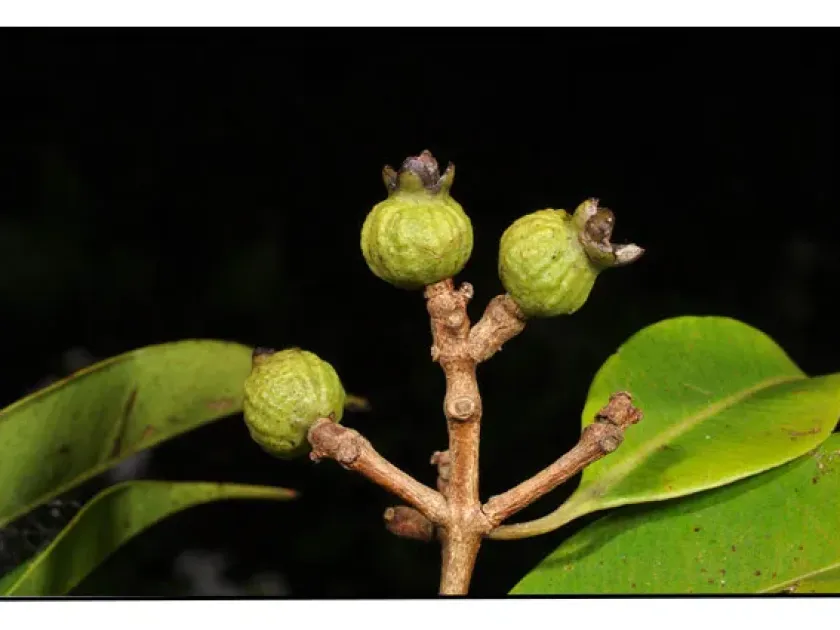
Description
Growing requirements
Syzygium lineatum is a prominent member of the Myrtaceae family, recognized for its evergreen habit and dense, lush foliage. The species is characterized by its slender, linear leaves, which distinguish it from other members of the genus.
Native to the tropical regions of Southeast Asia, this tree thrives in high-humidity environments. It is strictly adapted to tropical climates where temperatures remain consistently warm throughout the year, as it lacks tolerance for frost or cool winters.
The cultivation of this crop requires fertile, well-draining soils rich in organic matter. While it prefers moist soil conditions, it is crucial to prevent waterlogging, which can be detrimental to root health and overall vigor of the tree.
Agricultural management centers on maintaining high humidity and ensuring consistent water supply, particularly during the flowering and fruit-setting stages. Periodic pruning is recommended to shape the canopy and facilitate airflow, which is essential for plant health.
The economic value of Syzygium lineatum lies in its edible fruits, which are consumed locally, and its timber. In many regions, it is also highly valued for its ornamental appeal, often used in landscaping to create natural privacy screens.
Main diseases and pests
Common agricultural threats include scale insects and mealybugs, which tend to congregate on young foliage and stems. These pests can significantly reduce the tree's vigor by draining plant sap and promoting the growth of sooty mold.
Fungal diseases, such as leaf spot and powdery mildew, represent major challenges in humid growing environments. These pathogens typically thrive when there is poor air circulation and excessive moisture on the leaf surfaces for prolonged periods.
Cultural control methods, such as thinning the canopy, are highly effective in mitigating fungal spread. Regular inspections allow for early detection, enabling farmers to intervene before an infestation reaches critical levels that could jeopardize the harvest.
Root system issues, often caused by pathogenic soil fungi, occur when soil drainage is poor. To manage this, ensure that planting sites are well-prepared and that irrigation systems provide water without causing saturation of the soil profile.
Integrated pest management remains the most sustainable approach, encouraging the use of natural predators and biological controls alongside careful site selection. Maintaining overall plant health through balanced nutrition is the best defense against environmental and biological stresses.