
Syzygium guineense
Syzygium guineense
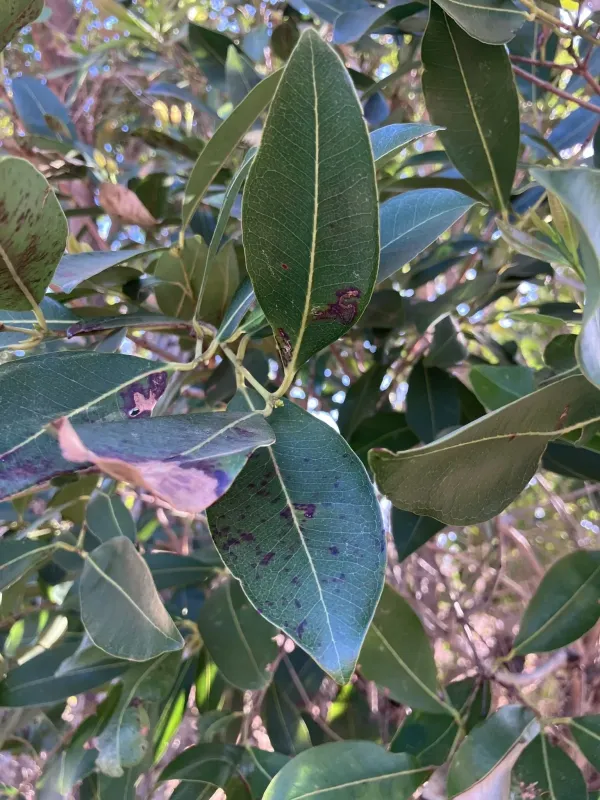
Description
Growing requirements
Syzygium guineense, commonly known as the water berry, belongs to the Myrtaceae family and is a prominent evergreen tree native to sub-Saharan Africa. It is highly valued for its adaptability and nutritional contribution to local ecosystems.
The tree thrives in tropical environments, showing significant tolerance to varying moisture levels. While it prefers consistent rainfall, it demonstrates an impressive ability to withstand short-term water stress once established.
Optimal growth is achieved in well-drained, deep soil types, ranging from sandy loams to clay soils. It is quite versatile, though it prefers slightly acidic to neutral soil pH levels for maximum nutrient absorption.
Light availability is a critical factor; young plants require partial shade to establish roots, while mature specimens perform best in full sun. Spacing should be sufficient to allow for full canopy expansion.
Agrotechnical management involves initial irrigation during the seedling stage and occasional organic fertilizing. Pruning is recommended to maintain a manageable size and to encourage better fruit production.
Yield
The primary use of Syzygium guineense is fruit production, as the berries are a staple source of vitamins and minerals for local populations. The fruits have a distinct flavor profile and are consumed both fresh and processed.
Beyond fruits, the timber is highly regarded for its physical properties, being dense, durable, and resistant to termites. It is frequently utilized in light construction, tool handle manufacturing, and high-quality firewood production.
Ethnomedicinal applications are diverse, with extracts from the leaves and bark being used in traditional treatments for various ailments. Modern research continues to explore the pharmacological potential of its chemical compounds.
The tree serves an essential role in agroforestry, acting as a windbreak and a source of shade for shade-loving crops. Its root system also contributes significantly to soil stabilization and water retention.
Annual yields vary based on local climate and tree age, but productive stands can provide a consistent and reliable harvest. Proper tree management ensures longevity and sustains long-term yield potential for farming operations.
Main diseases and pests
Fungal pathogens represent the most significant threat to foliage, particularly in regions with high humidity levels. Improving air circulation within the tree canopy is the primary preventive measure.
Sucking insects, including aphids and scales, can infest new growth and reduce photosynthetic efficiency. Farmers should monitor for early signs of infestation and apply targeted biological controls if necessary.
Termites can pose a challenge, particularly for younger trees or in poorly maintained orchards. Keeping the planting site clean and promoting healthy tree growth helps in mitigating these risks.
Parasitic plants like mistletoe can occasionally establish themselves on branches, requiring periodic pruning to maintain the health of the host tree.
Soil-borne diseases may occur if the planting site lacks proper drainage. Ensuring that the orchard is set up on well-draining land is essential for long-term health and preventing root rot.