
Syzygium pustulatum
Syzygium pustulatum
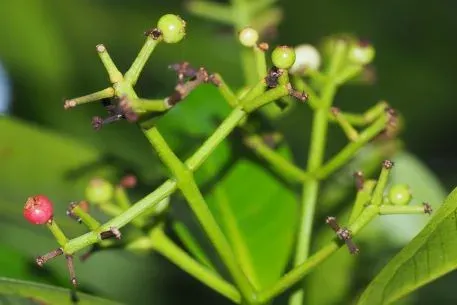
Description
Growing requirements
Syzygium pustulatum is a notable member of the Myrtaceae family, native to tropical regions where it thrives in humid forest conditions. This evergreen tree is recognized for its robust structure and specialized foliage adapted to high rainfall and warm climates.
The plant requires well-drained, nutrient-dense soils to maintain optimal growth rates. Soil texture should be loose enough to allow oxygen access to the roots, as compacted soils often lead to root respiration issues and stunted development of the canopy.
Regarding climate requirements, this species demands consistently warm temperatures throughout the year. It lacks cold hardiness and must be protected from any frost, making it ideal for tropical cultivation zones or strictly controlled greenhouse environments.
Agricultural management involves regular irrigation cycles and the application of balanced nutrients during the active growing season. Light exposure is critical; while it can tolerate partial shade, maximum fruit production is achieved under full sun conditions.
The economic value of this crop stems from its utility in both timber production and ornamental landscaping. Its wood is known for structural density, while the aesthetic value of the tree makes it a popular choice for large-scale tropical gardens and forestry projects.
Main diseases and pests
Common pests include scale insects and mealybugs, which tend to infest the undersides of the leaves and woody stems. Early detection and the application of horticultural oils or systemic insecticides are highly recommended to prevent extensive damage to the tree.
Fungal pathogens such as leaf spot and root rot are significant risks during periods of high humidity and poor air circulation. Maintaining wide spacing between individual plants and ensuring the canopy is adequately pruned can help mitigate these disease risks significantly.