
Syzygium macranthum
Syzygium macranthum
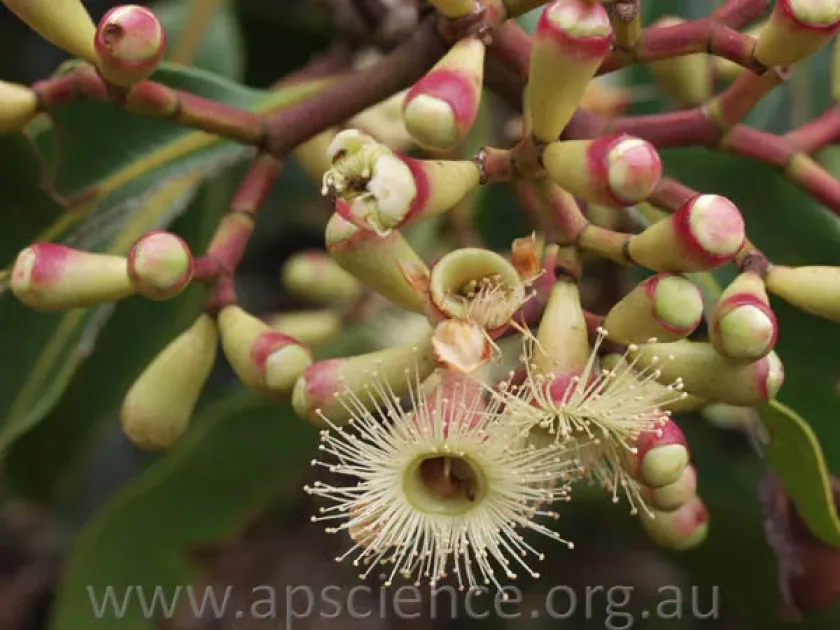
Description
Growing requirements
Syzygium macranthum is a distinguished member of the Myrtaceae family. This evergreen woody species is native to tropical regions, where it thrives in high-humidity environments and consistent temperatures throughout the year.
The climate requirements for this culture are strict, demanding a frost-free environment. It excels in tropical zones where the mean temperature remains steady, as extreme fluctuations can cause significant physiological stress to the tree.
Regarding soil, the plant requires well-drained, nutrient-rich substrates. While it appreciates moisture, stagnant water is detrimental to its root system, often leading to root rot if the soil structure does not allow for efficient drainage.
Sunlight exposure is a critical factor for development. Syzygium macranthum prefers bright, filtered light. In a field production setting, managing light intensity is essential to prevent leaf scorching while ensuring enough energy for consistent biomass accumulation.
Host plant utilization is broad, spanning from fruit harvesting to ornamental landscape applications. The dense, glossy foliage and robust growth habit make it a preferred choice for tropical reforestation and garden design.
Main diseases and pests
The primary threats to this species include various fungal pathogens that flourish in humid, stagnant air conditions. Rusts and foliage spots are the most common diseases, often requiring prophylactic fungicide application.
Pest pressure is frequently dominated by scale insects and mealybugs. These sap-sucking insects reside on the underside of leaves and young stems, drawing nutrients away from the plant and potentially stunting its growth.
Integrated pest management strategies are highly recommended for large-scale operations. Combining biological controls with targeted chemical interventions ensures that the health of the plant is maintained without heavy environmental impacts.
Pruning is an essential maintenance activity to reduce disease risk. By thinning the canopy, growers allow better airflow, which significantly reduces the likelihood of fungal outbreaks and limits the habitat available to pests.
Monitoring the plant for signs of nutrient deficiencies is equally important. Symptoms like chlorosis can indicate soil imbalances, which makes the plant more susceptible to opportunistic pathogens and reduces overall vitality.