
Syzygium pancheri
Syzygium pancheri
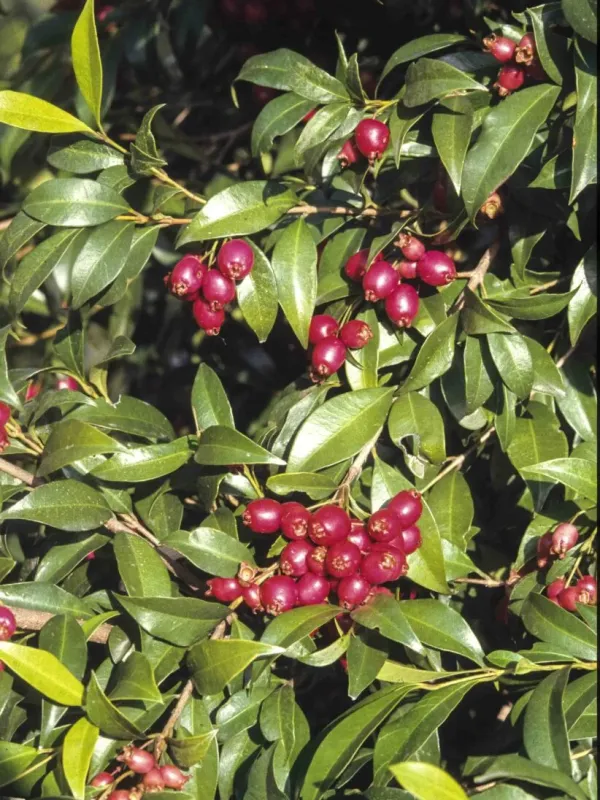
Description
Growing requirements
Syzygium pancheri is an evergreen woody plant belonging to the Myrtaceae family. Known for its leathery foliage and resilient growth habit, this species is native to the diverse ecosystems of New Caledonia, where it thrives in humid tropical environments.
Cultivation of this species requires a stable, frost-free climate. It is generally suited for regions mimicking tropical conditions, where temperatures remain consistently warm throughout the year without significant seasonal fluctuations that could stress the plant.
The plant requires well-draining soil rich in organic matter. Soil pH should ideally be slightly acidic to neutral. Ensuring optimal soil structure is critical, as the roots are susceptible to damage if waterlogging or poor aeration occurs within the planting substrate.
Strategic placement in the landscape is essential for growth. While Syzygium pancheri prefers full sun for vigorous development, protection from the most intense afternoon heat in drier regions can prevent leaf scorch and ensure consistent moisture levels.
Maintenance involves routine watering and the application of balanced fertilizers during the active growing season. Pruning is a fundamental agronomic practice for this species, allowing growers to manage the plant's shape and encourage denser canopy development over time.
Main diseases and pests
The most significant threats to Syzygium pancheri include root rot pathogens, which are primarily facilitated by overwatering and poor drainage. Managing soil moisture is the primary preventative measure to ensure the health of the root system.
Pests such as scale insects and mealybugs are frequently observed on this species. These sap-sucking pests can weaken the plant and promote the growth of sooty mold, necessitating vigilant monitoring and proactive control measures when populations increase.
Integrated pest management strategies are recommended, starting with cultural controls such as regular canopy cleaning and spacing. Biological control agents or targeted insecticides may be used if pest populations exceed established economic injury thresholds.
Sanitary pruning is essential to remove damaged or diseased branches promptly. This prevents the spread of infection within the canopy and improves air circulation, which is vital for keeping foliage dry and reducing the risk of fungal outbreaks.
Finally, maintaining equipment hygiene is a standard requirement for preventing the mechanical transmission of diseases. Cleaning tools with sanitizing solutions after every use is a best practice for preserving the health of the entire collection.