
Syzygium maraca
Syzygium maraca
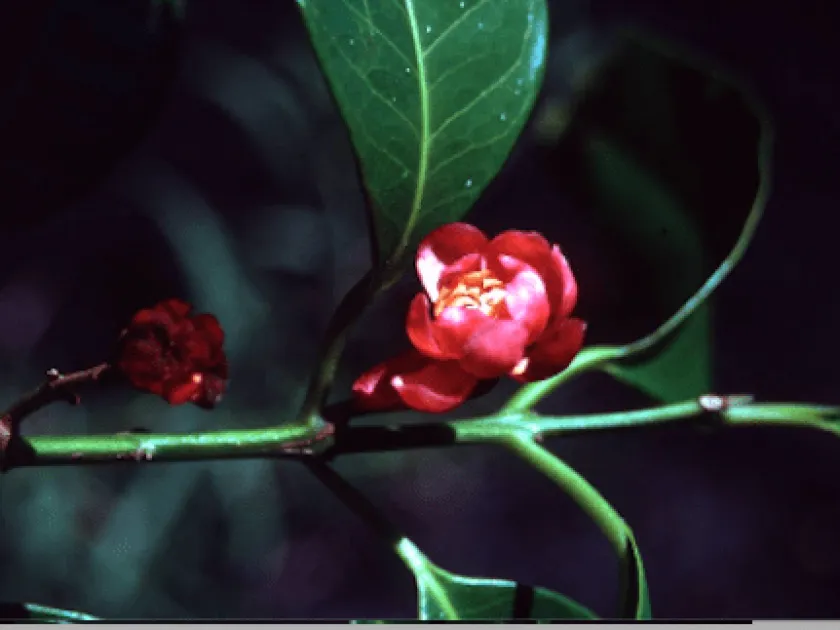
Description
Growing requirements
Syzygium maraca is a tropical plant species belonging to the Myrtaceae family. As a specialized botanical entity, it is endemic to the tropical rainforest regions of Brazil, primarily in the state of Roraima, where it thrives in specific humid environmental conditions.
The climate requirements for this culture are strictly tropical. It necessitates consistently high temperatures throughout the year to maintain metabolic activity, as it lacks a natural dormant period and is highly sensitive to thermal shocks or frost exposure.
Soil requirements involve a rich, well-drained medium that is slightly acidic or neutral. The presence of organic matter is critical for the healthy development of its root system, and the soil structure should prevent compaction while ensuring adequate oxygen supply.
Agricultural management requires careful attention to irrigation. While the plant loves humidity, it cannot tolerate waterlogging, which necessitates the installation of a professional drainage system to prevent root hypoxia and subsequent fungal infection.
Light management is another pillar of its cultivation. While the plant prefers bright conditions, it generally requires protection from intense, direct midday sun, which can dehydrate the foliage. Shade cloth or light-diffusing greenhouse materials are recommended.
Main diseases and pests
The primary threats to Syzygium maraca include soil-borne pathogens such as Phytophthora or Pythium, which cause root rot when drainage is insufficient.
Pests like mealybugs and aphids are common in indoor or protected environments, where they tend to hide in the axils of leaves and tender stems.
Management of these threats involves periodic inspections and the application of integrated pest management strategies to minimize chemical usage.
Ensuring proper airflow within the growing area is essential to prevent the spread of fungal spores and to maintain an unfavorable environment for typical pests.
Early detection through systematic monitoring is the best strategy for maintaining the health of this delicate tropical species in agricultural settings.