
Syzygium levinei
Syzygium levinei
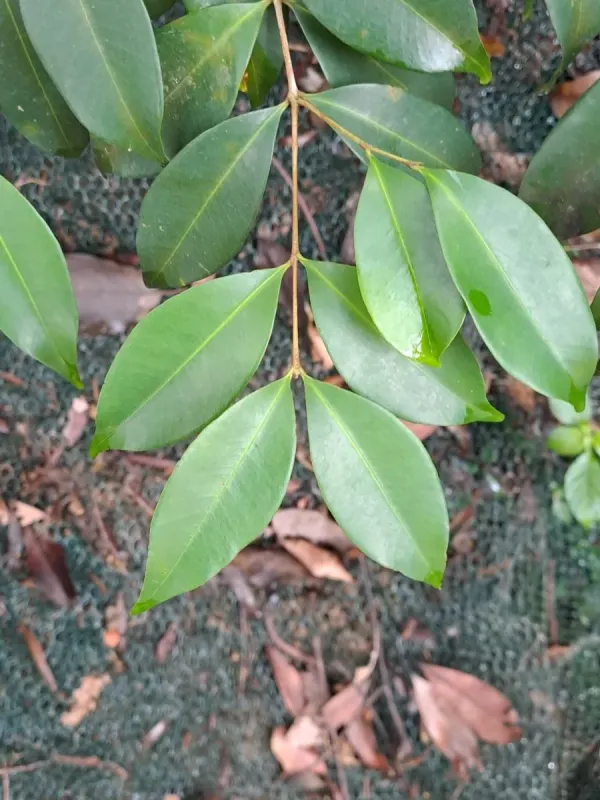
Description
Growing requirements
Syzygium levinei is a distinctive evergreen tree belonging to the Myrtaceae family, known for its resilience and botanical importance. Native to the southern provinces of China, it thrives in warm, humid forest environments that provide a consistent growing season throughout the year.
The botanical characteristics of this species include thick, leathery leaves and characteristic inflorescences that attract various pollinators. The wood structure is dense and durable, typical of the genus Syzygium, which contributes to the plant's structural integrity in its native canopy habitat.
Regarding soil requirements, this plant demands well-drained, nutrient-rich substrates with a slightly acidic pH. Agricultural management practices must emphasize regular irrigation to maintain soil moisture, while avoiding saturation, as the root system is highly susceptible to hypoxia if water drainage is inadequate.
Climate preferences for Syzygium levinei include steady temperatures between 22 and 28 degrees Celsius and high atmospheric humidity levels. It lacks tolerance for frost or extreme temperature drops, making it essential to protect the cultivation area from cold winds and freezing conditions in non-tropical zones.
Economically, the plant is primarily researched for its potential in ornamental landscape design and its specific ecological role in native forests. While it shares some characteristics with commercial fruit-bearing Syzygium species, its utilization is currently limited to specialized collections and conservation efforts.
Main diseases and pests
The main pests associated with Syzygium levinei are scale insects and mealybugs, which tend to infest the undersides of the leaves and woody stems. Consistent monitoring is required to prevent these infestations from hindering the tree's growth and vigor.
Pathogenic threats include various root rots if the moisture levels are not managed correctly. Furthermore, fungal leaf spot diseases can occur during periods of high humidity and stagnant air, making proper spacing and ventilation vital components of the plant's health management program.