
Syzygium inophyllum
Syzygium inophyllum
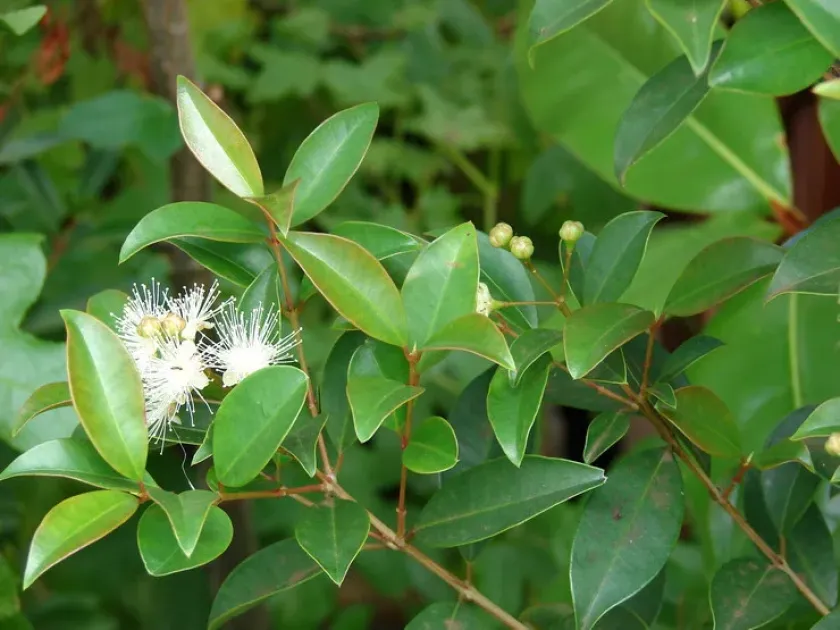
Description
Growing requirements
Syzygium inophyllum is a significant evergreen tree belonging to the Myrtaceae family. It is naturally adapted to tropical ecosystems characterized by consistent high humidity and warm temperatures throughout the year.
The culture thrives in well-drained, fertile soil compositions. It is essential to ensure that the soil remains moist but not waterlogged, as poor drainage frequently leads to root stress and reduced growth performance.
Environmental conditions for successful cultivation require bright, indirect sunlight. Excessive exposure to harsh midday sun can lead to leaf scorching, necessitating the use of shade nets in commercial plantations.
Temperature management is critical, with the ideal range being between 22 and 28 degrees Celsius. Protection from cold winds and frost is mandatory, as the species is highly sensitive to thermal shocks which can permanently damage vascular tissues.
Agricultural management involves regular nutrient application, specifically focusing on macronutrients during the active growth phase. Organic matter incorporation is recommended to improve soil structure and water retention capacity.
Main diseases and pests
Major pests affecting this crop include scale insects and aphids. These insects settle on the undersides of leaves, causing sap depletion and promoting the growth of sooty mold, which negatively impacts plant vigor.
Fungal pathogens such as leaf spot are common threats in regions with prolonged rainfall or high canopy density. Improving airflow within the plantation is a primary method for disease prevention and mitigation.
Root rot, often caused by soil-borne pathogens like Phytophthora, remains a significant challenge. Ensuring proper soil aeration and avoiding over-irrigation are the most effective preventive strategies against this condition.
Integrated Pest Management (IPM) protocols should be adopted to maintain ecological balance. This includes the use of biological control agents and selective pruning of infected parts to manage pest populations naturally.
Strict hygiene practices are necessary in the orchard to minimize the spread of inoculum. Removing fallen leaves and infected debris effectively reduces the survival of pathogens during the off-season.