
Thryptomene
Thryptomene
Thryptomene is a genus of evergreen shrubs belonging to the Myrtaceae family. Native to Australia, these plants have evolved to thrive in diverse environments ranging from arid regions to heathlands.
What the section contains

Thryptomene
The plant requires full sun exposure to maintain its compact growth habit and ensure abundant flowering. While it is hardy in Mediterranean-like climates, it is often kept as a container plant in regions prone to frost.
Cultivation requires well-draining soil with an acidic to neutral pH level. Sandy or gravelly soil mixes are ideal, as the plant is highly susceptible to root diseases if left in waterlogged conditions.
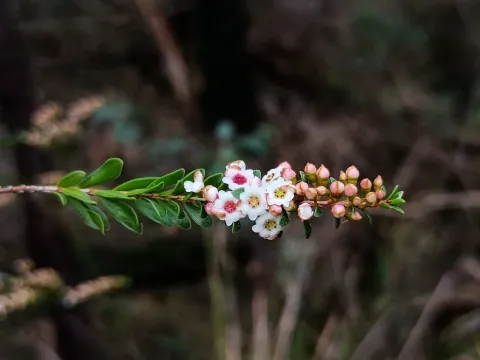
Botanically, Thryptomene is known for its small, aromatic leaves and delicate, cup-shaped flowers. The blooms typically appear in shades of pink, white, or mauve, covering the branches in a dense display during the flowering season.
In terms of agricultural use, Thryptomene is a significant crop in the commercial cut flower industry. Its long-lasting stems and aesthetic appeal make it a popular choice for bouquets and floral arrangements.
The most common agricultural threat to Thryptomene is root rot caused by Phytophthora and other fungi. These pathogens thrive in poorly drained soil, which is the primary cause of plant failure.
Insect pests such as spider mites and scale insects can also affect the plant's health. These pests often proliferate in environments with low humidity and poor ventilation, requiring diligent monitoring.
Proper plant hygiene is essential to prevent disease spread. Pruning should be carried out carefully to remove dead wood and improve airflow within the plant canopy, reducing the risk of fungal spot diseases.
Pest management should prioritize integrated methods, starting with cultural controls such as improving aeration. Chemical treatments should be used selectively to avoid damaging the plant's delicate foliage.
Regular monitoring of the root zone and canopy is critical for identifying potential issues early. Maintaining a balance between irrigation and drainage remains the most effective prophylactic measure for this crop.