
Syzygium rubicundum
Syzygium rubicundum
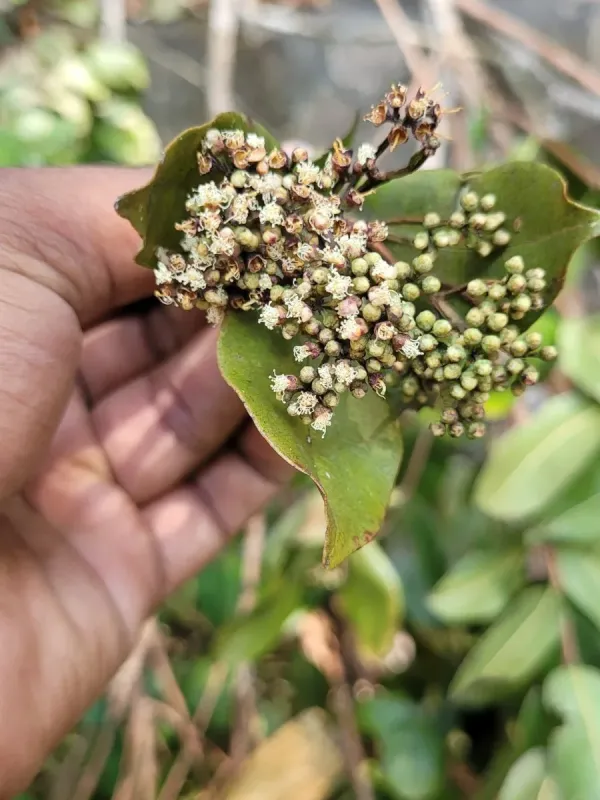
Description
Growing requirements
Syzygium rubicundum is a prominent species within the Myrtaceae family, known for its dense evergreen foliage and significant ecological role in tropical forest zones. The tree is recognized by its unique reddish young leaves, which provide a distinct aesthetic appeal during the early stages of growth.
The native distribution of this species spans across the tropical regions of Southeast Asia. It thrives best in environments where consistent rainfall and high temperatures prevail, reflecting its adaptation to humid tropical climates where moisture is readily available throughout the year.
Agricultural success with Syzygium rubicundum depends heavily on selecting well-draining soil structures. The root system is sensitive to waterlogging, which often facilitates the onset of soil-borne pathogens. Therefore, sandy loam soils with high organic matter content are typically the most suitable.
For optimal development, the tree requires a site with filtered sunlight. While it can tolerate partial shade, full exposure to harsh, dry winds can lead to leaf scorching, especially during the establishment phase, making wind protection an essential part of plantation design.
Economically, the species is valued for its edible fruits and durable timber. In various regions, local communities utilize the wood for construction purposes and small-scale manufacturing, highlighting the versatility of this woody crop in agroforestry systems.
Main diseases and pests
The primary pathological threats to Syzygium rubicundum include fungal infections, such as leaf spot and anthracnose, which are frequently triggered by extended periods of high humidity combined with poor airflow within the canopy.
In terms of entomological pests, scale insects and mealybugs are frequently observed targeting the young succulent growth and tender buds. These pests can significantly reduce the vitality of the tree if infestations are left unmanaged over several seasons.
Effective pest control strategies focus on integrated management, including the pruning of infected branches and the application of horticultural oils. These measures help to suppress pest populations while maintaining the overall health of the tree.
Regular sanitation, such as removing fallen debris from the base of the tree, plays a crucial role in preventing the recurrence of soil-borne diseases and fungal spores that thrive in decaying organic material.
Proactive monitoring of the tree canopy is essential for early detection of potential threats. By maintaining optimal plant vigor through balanced fertilization and irrigation, growers can significantly enhance the tree's natural resistance to common tropical pests.