

Reference · Crops
Caryophyllaceae
Carnation (Dianthus) is a significant genus of herbaceous plants belonging to the Caryophyllaceae family. This crop includes both annual and perennial varieties, which are cultivated globally for ornamental purposes, landscape design, and as a high-value commercial cut flower.
Main sections
527
sections
What the section contains
 Giant Catchfly
Silene gigantea
Giant Catchfly
Silene gigantea
 Giant chickweed
Myosoton
1 item
Giant chickweed
Myosoton
1 item
 Giant pink
Dianthus giganteus
Giant pink
Dianthus giganteus
 Giant pink
Dianthus giganteiformis
Giant pink
Dianthus giganteiformis
 Glacier pink
Dianthus glacialis
Glacier pink
Dianthus glacialis
 Gothland Sandwort
Arenaria gothica
Gothland Sandwort
Arenaria gothica
 Granite pink
Dianthus graniticus
Granite pink
Dianthus graniticus
 Green-flowered catchfly
Silene chlorantha
Green-flowered catchfly
Silene chlorantha
 Grey rupturewort
Herniaria incana
Grey rupturewort
Herniaria incana
 Gymnocarpos
2 items
Gymnocarpos
Gymnocarpos
2 items
 Gypsophila acutifolia
Gypsophila acutifolia
Gypsophila acutifolia
 Gypsophila altissima
Gypsophila altissima
Gypsophila altissima
 Gypsophila arabica
Gypsophila arabica
Gypsophila arabica
 Gypsophila aretioides
Gypsophila aretioides
Gypsophila aretioides
 Gypsophila briquetiana
Gypsophila briquetiana
Gypsophila briquetiana
 Gypsophila collina
Gypsophila collina
Gypsophila collina
 Gypsophila fastigiata
Gypsophila fastigiata
Gypsophila fastigiata
 Gypsophila glomerata
Gypsophila glomerata
Gypsophila glomerata
 Gypsophila hybrids
Gypsophila hybrids
Gypsophila hybrids
 Gypsophila nana
Gypsophila nana
Gypsophila nana
 Gypsophila pallasii
Gypsophila pallasii
Gypsophila pallasii
 Gypsophila papillosa
Gypsophila papillosa
Gypsophila papillosa
 Gypsophila patrinii
Gypsophila patrinii
Gypsophila patrinii
 Gypsophila perfoliata
Gypsophila perfoliata
Gypsophila perfoliata
 Gypsophila scorzonerifolia
Gypsophila scorzonerifolia
Gypsophila scorzonerifolia
 Gypsophila tubulosa
Gypsophila tubulosa
Gypsophila tubulosa
 Gypsophila viscosa
Gypsophila viscosa
Gypsophila viscosa
 Hairy gypsophila
Gypsophila pilosa
Hairy gypsophila
Gypsophila pilosa
 Hairy Pink
Dianthus crinitus
Hairy Pink
Dianthus crinitus
 Hairy rupturewort
Herniaria hirsuta
Hairy rupturewort
Herniaria hirsuta
 Heartleaf catchfly
Silene cordifolia
Heartleaf catchfly
Silene cordifolia
 Heath pearlwort
Sagina sabuletorum
Heath pearlwort
Sagina sabuletorum
 Heath pearlwort
Sagina pilifera
Heath pearlwort
Sagina pilifera
 Heliosperma
Heliosperma
Heliosperma
 Herniaria
 L.
1 item
Herniaria
Herniaria L.
1 item
 Herniaria algarvica
Herniaria algarvica
Herniaria algarvica
 Herniaria boissieri
Herniaria boissieri
Herniaria boissieri
 Herniaria fontanesii
Herniaria fontanesii
Herniaria fontanesii
 Herniaria hemistemon
Herniaria hemistemon
Herniaria hemistemon
 Herniaria latifolia
Herniaria latifolia
Herniaria latifolia
 Herniaria lusitanica
Herniaria lusitanica
Herniaria lusitanica
 Herniaria permixta
Herniaria permixta
Herniaria permixta
 Herniaria polygama
Herniaria pujosii
Herniaria pujosii
Herniaria polygama
Herniaria polygama
Herniaria pujosii
Herniaria pujosii
 Herniaria regnieri
Herniaria regnieri
Herniaria regnieri
 Holosteum
1 item
Holosteum
Holosteum
1 item
 Honckenya
1 item
Honckenya
Honckenya
1 item
 Hooked knawel
Scleranthus uncinatus
Hooked knawel
Scleranthus uncinatus
 Hooker's catchfly
Silene hookeri
Hooker's catchfly
Silene hookeri
 Hooker's sandwort
Arenaria hookeri
Hooker's sandwort
Arenaria hookeri
 Hybrid catchfly
Silene hybrids
Hybrid catchfly
Silene hybrids
 Hybrid soapwort
Saponaria hybrids
Hybrid soapwort
Saponaria hybrids
 Hyssop-leaved pink
Dianthus hyssopifolius
Hyssop-leaved pink
Dianthus hyssopifolius
 Illecebrum
1 item
Illecebrum
Illecebrum
1 item
 Illyrian mouse-ear
Cerastium illyricum
Illyrian mouse-ear
Cerastium illyricum
 Indian catchfly
Silene indica
Indian catchfly
Silene indica
 Indian chickweed
Cerastium indicum
Indian chickweed
Cerastium indicum
 Integer pink
Dianthus integer
Integer pink
Dianthus integer
 Italian Catchfly
Silene italica
Italian Catchfly
Silene italica
 Japanese pink
Dianthus japonicus
Japanese pink
Dianthus japonicus
Marketplace
Products in this section · 12

Gold Star
ТОВ «Фабрика агрохімікатів», Черкаси, Україна
Herbicides
0
3
·
2.4K
23 offers
27.31 €per 1 l
Buy


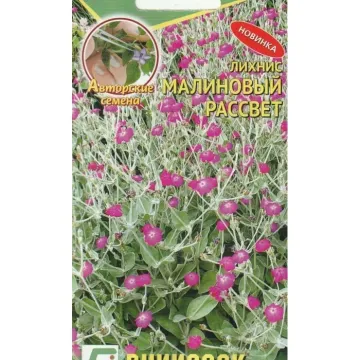


Caryophyllaceae
Native to Eurasia, these plants have been adapted to a wide range of climates through centuries of selective breeding. Their natural habitat varies from mountain slopes to open meadows, which has contributed to the diverse physiological traits observed in modern commercial cultivars.
Botanically, carnations are defined by their slender, opposite leaves and characteristic flowers with five petals, often featuring jagged or serrated edges and a distinct fragrance. The plant structure is adapted to optimize photosynthetic efficiency and mechanical stability, supporting the heavy floral heads during the blooming season.
Agronomic success with carnations requires well-drained, fertile soil with a neutral to slightly alkaline pH. Cultivation management involves strict temperature control, regular drip irrigation to prevent soil-borne pathogens, and balanced fertilization programs focusing on nitrogen during vegetative growth and potassium during flowering.
The primary use of the crop is within the floriculture industry. Growers must be vigilant against common diseases such as Fusarium wilt and rust, as well as pests like aphids and spider mites. Integrated Pest Management (IPM) strategies, including biological control and judicious use of fungicides, are essential for maintaining crop health and productivity.