
Gypsophila altissima
Gypsophila altissima
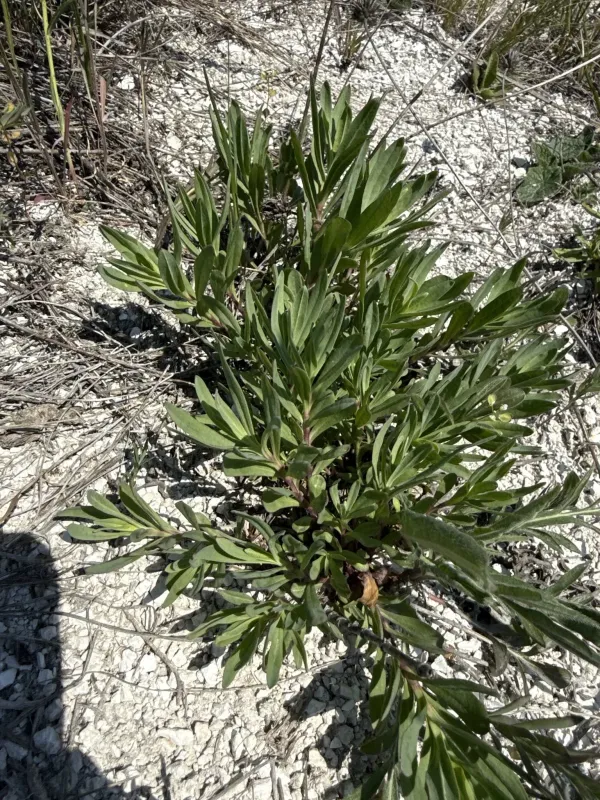
Description
Sowing dates
Gypsophila altissima, belonging to the Caryophyllaceae family, is a perennial herb characterized by a deep taproot. Successful cultivation begins with careful site selection, as the plant requires loose, well-aerated soil to support its extensive root system.
The optimal sowing time is early spring, once the soil has warmed up to 8–10 degrees Celsius. Seeds should be sown at a depth of no more than 1–2 centimeters, ensuring sufficient contact with moist soil for uniform germination.
In large-scale farming, maintaining proper plant density is crucial for healthy development. A row spacing of 45–60 centimeters is recommended to ensure adequate light exposure for each plant and to facilitate mechanical weeding.
During the first year, growth is typically slow as the plant focuses on establishing its root architecture and a basal rosette of leaves. Keeping the field free from weeds during this period is essential to prevent young plants from being choked out.
Seed germination can be enhanced by pre-sowing treatments, such as light scarification or soaking in growth-stimulating solutions, which helps to achieve a more uniform and vigorous emergence across the field.
Growing requirements
As a xerophytic species, Gypsophila altissima is highly adapted to steppe environments, requiring full sunlight to thrive. Even partial shading leads to etiolation of the stems and a decrease in the overall productivity of the crop.
The plant performs best in neutral to slightly alkaline sandy-loam or loamy soils with high calcium content. Heavy clay soils or areas with high water tables are unsuitable, as they lead to root rot and poor development.
Gypsophila altissima is exceptionally frost-hardy, allowing it to survive harsh continental winters without extra protection. Its deep root system provides excellent drought tolerance, allowing it to withstand prolonged dry spells during the summer.
Agronomic management should include the judicious application of phosphorus and potassium fertilizers to strengthen roots and increase saponin accumulation. Excessive nitrogen should be avoided, as it promotes vegetative growth at the expense of root quality.
In its natural habitat, the plant grows on rocky slopes, emphasizing the need for good drainage. A well-drained soil surface is a key requirement to ensure the health of the plant throughout its long life cycle.
Yield
The primary economic product of Gypsophila altissima is its root, which contains significant concentrations of triterpene saponins. Harvesting is usually planned for the third or fourth year when the roots have accumulated maximum active compounds.
Under good management, root yields can reach 15–25 centners per hectare of raw mass. Once dried, the roots become a concentrated, high-value commodity utilized in various industrial and medicinal sectors.
The roots are used in the textile industry as a natural surfactant, in pharmaceuticals for their expectorant properties, and in the food industry for producing specialty sweets like halva and as a foaming agent.
The overall efficiency of the crop depends on proper post-harvest handling. Careful cleaning, washing to remove soil residues, and rapid drying at temperatures below 50 degrees Celsius are vital for maintaining the integrity of the saponin complex.
Ongoing selection programs focus on increasing saponin levels and adapting the plant to mechanical harvesting methods, which is critical for making Gypsophila a viable, large-scale commercial crop.
Main diseases and pests
While Gypsophila altissima possesses strong natural immunity, it remains susceptible to fungal root pathogens if exposed to excessive moisture or poor drainage conditions. Preventing waterlogging is the best defense against rot.
Soil-dwelling insects, particularly wireworms, represent the main pest threat by damaging the roots of young plants. During dry summers, aphids may infest flowering shoots, necessitating monitoring and, if needed, integrated management.
Pest control is primarily achieved through good field hygiene, proper crop rotation, and mechanical cultivation of rows. Chemical intervention should be reserved as a last resort and used only according to economic thresholds.
Weeds are the primary competitor during the first two years of growth. Using selective herbicides at the pre-emergence stage and timely inter-row cultivation are the most effective ways to maintain a clean and productive stand.
Adhering to a strict crop rotation cycle prevents the buildup of soil-borne pathogens. Gypsophila should not be replanted on the same ground for at least 5–6 years to allow the soil micro-environment to recover fully.
Harvesting
Harvesting takes place in the autumn at the end of the vegetation period when the aerial parts begin to senesce. By this time, the plant has effectively redirected its energy reserves into the taproot.
Mechanical harvesting requires heavy-duty equipment capable of operating at depths of up to 40–50 centimeters. Precision is key to minimizing root damage, which could lead to spoilage and a reduction in market value.
Post-harvest processing involves washing the roots to remove debris and chopping them into smaller segments to speed up the drying process. Drying should be conducted in well-ventilated areas or specialized drying facilities.
A dried root is high in quality when it is brittle and exhibits a characteristic pale to yellowish cross-section. Proper storage in dry, dark, and cool conditions ensures the preservation of its chemical properties for several years.
Optimized logistics and storage conditions allow producers to maintain steady supplies of high-quality raw material, meeting the needs of pharmaceutical, food, and textile manufacturers throughout the calendar year.