
Gypsophila glomerata
Gypsophila glomerata
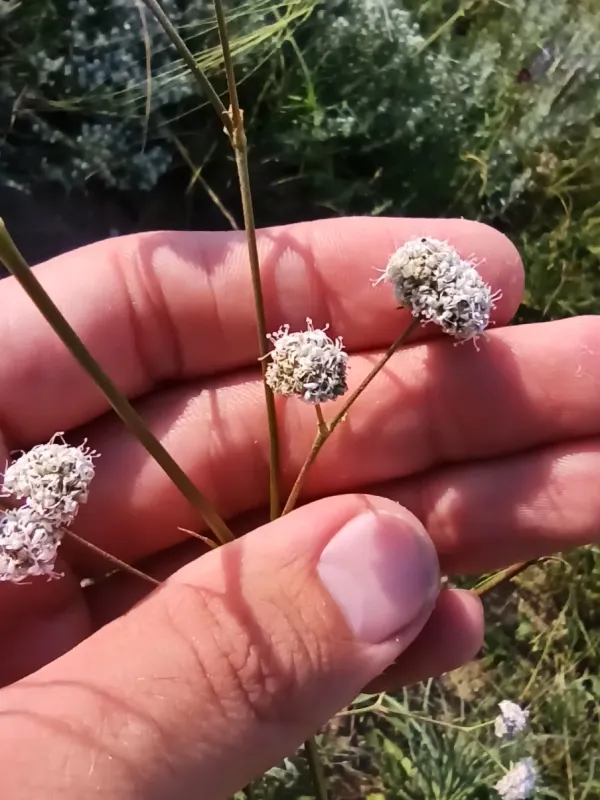
Description
Sowing dates
The sowing process for Gypsophila glomerata starts in early spring when soil temperatures reach a sustainable level for germination, usually around 12–15 degrees Celsius.
Because the seeds are small, they should be sown shallowly, ensuring they remain in contact with moist soil without being buried too deep, which would hinder emergence.
Standard practice involves row sowing, keeping spacing between 35 and 50 centimeters to allow for efficient weeding and air circulation throughout the crop cycle.
Proper seedbed preparation is vital, requiring a fine, uniform soil texture that prevents large clumps from obstructing the emergence of tender seedlings.
Field managers often apply a light irrigation immediately after sowing if natural moisture levels are insufficient, promoting uniform germination across the field.
Growing requirements
Gypsophila glomerata is a perennial member of the Caryophyllaceae family, recognized for its natural adaptation to dry, arid environments and rocky substrates.
The crop thrives in sunny locations, as it requires full exposure to direct sunlight to maintain its structural integrity and prevent stunted growth patterns.
Soil composition should be light and well-drained, with sandy or loamy textures providing the best balance of aeration and moisture retention for its root systems.
Maintaining a neutral to slightly alkaline soil pH is crucial for optimizing nutrient uptake, particularly for essential micronutrients needed for flowering and development.
Tolerance to drought is high, making this species an excellent candidate for regions where water resources are restricted and irrigation is not always available.
Main diseases and pests
Root rot remains the most significant threat, typically caused by waterlogged soil conditions and poor field drainage management during periods of high humidity.
Pests such as aphids and spider mites are known to infest the plant during dry spells, which can compromise the photosynthetic capacity and overall health of the crop.
Preventative measures should include the use of targeted biological controls and localized chemical treatments to manage pest populations before they reach economic injury levels.
Powdery mildew represents a frequent fungal issue when ventilation between plants is restricted, emphasizing the need for proper plant spacing during the layout stage.
Regular monitoring and rapid intervention using approved fungicides are recommended to ensure that infestations do not spread across the entire agricultural plot.