
Gypsophila perfoliata
Gypsophila perfoliata
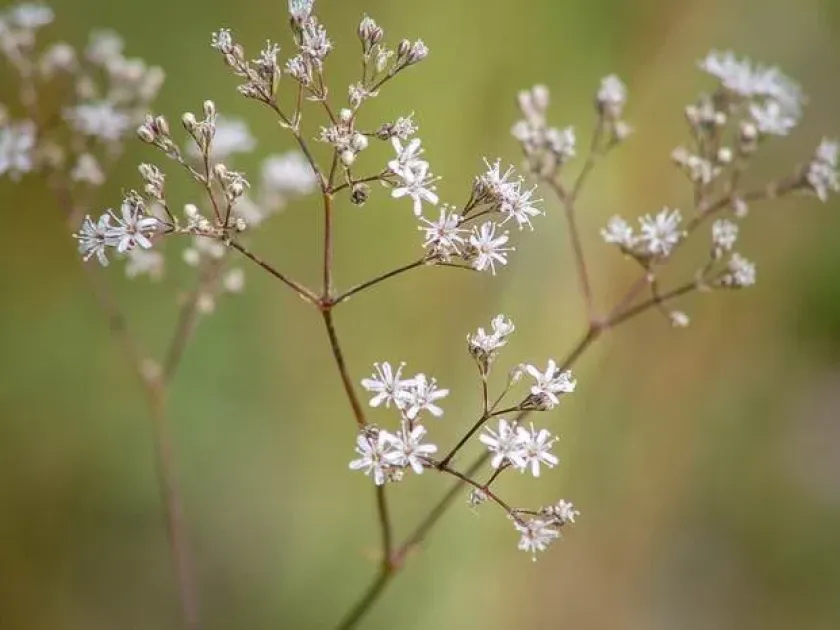
Description
Sowing dates
Gypsophila perfoliata, belonging to the Caryophyllaceae family, is a perennial herbaceous plant valued primarily for its industrial applications. Its cultivation requires careful site selection to ensure high yields of its saponin-rich roots.
The sowing process should take place in early spring once the soil reaches a temperature of 12–15 degrees Celsius. Early planting allows the plant to establish a robust root system before the onset of summer heat.
Seeds are sown in rows spaced 45–60 centimeters apart. Due to the small size of the seeds, they should be covered with only a thin layer of soil, approximately 1–2 centimeters deep.
During the first year, the plant focuses on vegetative growth, developing a rosette of leaves and a taproot. The main biomass accumulation occurs from the second year onwards.
Proper plant density is crucial to prevent weed competition during the early establishment phase. Regular mechanical weeding between rows is essential for optimal crop performance.
Growing requirements
This crop thrives in full sun and requires well-lit conditions. Shade should be avoided at all costs, as it negatively impacts the development of the plant and the quality of the raw material.
Gypsophila perfoliata is highly drought-tolerant, making it suitable for cultivation in arid or semi-arid regions. However, adequate moisture during the growing season is necessary to maximize root size.
The ideal soil conditions are light sandy or loamy soils with a neutral or slightly alkaline pH. Good drainage is vital, as the plant cannot tolerate waterlogging or high groundwater levels.
Waterlogged soil promotes root rot and reduces the viability of the crop. Therefore, planting should be restricted to elevated or well-drained field sections.
Balanced fertilization, particularly with phosphorus and potassium, encourages root development and improves the overall quality and concentration of saponins in the plant tissues.
Main diseases and pests
Young seedlings are particularly vulnerable to soil-borne pests such as wireworms and white grubs, which can cause significant damage to the root system and plant collar.
Powdery mildew is a common fungal disease that affects the leaves, especially in humid and stagnant air conditions. It significantly reduces the photosynthetic efficiency of the plant.
Root rot is the most serious threat to the crop. It is usually a result of poor soil drainage or excessive irrigation, leading to the rapid decay of the taproot system.
Aphids and leaf-eating insects may also attack the crop during the flowering stage. Monitoring and timely intervention with appropriate control methods are required to protect yields.
Integrated pest management and strict adherence to crop rotation cycles help minimize the risk of disease buildup and pest infestation in the fields.
Harvesting
Root harvesting is typically scheduled for the third or fourth year of growth. At this stage, the root reaches its maximum weight and peak concentration of industrial saponins.
Harvesting is performed using mechanical diggers that extract the roots from a depth of 30–40 centimeters. It is recommended to conduct these operations in dry weather to facilitate cleaning.
After excavation, the roots are thoroughly cleaned of soil residues and dried in controlled environments at temperatures below 50 degrees Celsius to preserve active ingredients.
The primary use of Gypsophila perfoliata is as a source of saponins, which are utilized as natural foaming agents in food processing, textiles, and chemical industries.
Additionally, the plant is highly appreciated in the floral industry for its delicate, airy panicles, which serve as excellent filler material in decorative bouquets and arrangements.