
Gypsophila tubulosa
Gypsophila tubulosa
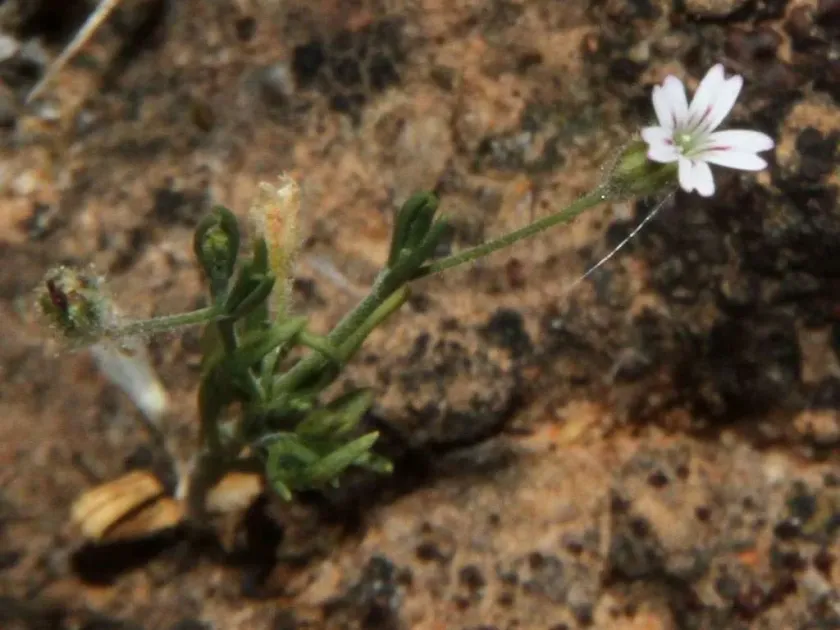
Description
Sowing dates
Gypsophila tubulosa is an annual herbaceous plant belonging to the Caryophyllaceae family, typically found in arid and steppe environments. Agricultural cultivation requires sowing in early spring once soil temperatures reach 8–10 degrees Celsius, ensuring the seeds take advantage of residual soil moisture for initial development.
Seeds should be sown at a shallow depth of 1–2 centimeters to ensure proper germination, as deeper placement may result in seedling failure. Consistent soil moisture during the emergence phase is essential to establish a uniform plant stand and ensure subsequent growth success across the field.
Optimal row spacing ranges between 30 and 45 centimeters, allowing for mechanical cultivation and weed control throughout the growing season. In large-scale operations, using precise seeding equipment is critical to achieve the desired plant density, preventing resource competition between individual specimens.
Autumn sowing is only feasible in regions with mild winters where the risk of seed decay due to fluctuating temperatures is minimal. In most agricultural scenarios, spring sowing remains the standard practice, providing better control over environmental stress and ensuring more predictable establishment rates.
Managing the seedbed to prevent crust formation after rain or irrigation is crucial for emergence. Farmers should prioritize selecting sites with loose soil structures, as this facilitates root penetration and early plant vigor, which are necessary for the crop's long-term health.
Growing requirements
This crop thrives in well-drained, light-textured soils, specifically sandy or loamy-sand substrates. It exhibits a high degree of adaptability to neutral or slightly alkaline soil conditions, which are common in many arid regions where the plant is native and typically cultivated.
Gypsophila tubulosa is highly drought-tolerant, making it an excellent candidate for regions where water resources are limited. However, supplementary irrigation during the peak growth phases can significantly increase vegetative biomass, improving the quality and quantity of the final harvest.
Exposure to full sunlight is a non-negotiable requirement for this species. Shade leads to leggy stems, reduced plant durability, and lower commercial value, so sites with southern exposure and no overhead obstructions are preferred to maximize photosynthetic efficiency.
Nutrient management should focus on balanced NPK ratios, with a specific emphasis on phosphorus and potassium to strengthen cell wall structure. Excessive nitrogen should be avoided, as it causes disproportionate vegetative expansion, increasing the risk of lodging during strong winds.
Weed management via mechanical hoeing is essential during the early stages of growth to prevent nutrient and water competition. Keeping the area free of invasive species ensures that the crop maintains its developmental trajectory, leading to a robust and productive harvest season.
Main diseases and pests
Root rot represents the primary agricultural threat to this crop, particularly in fields with poor drainage or during prolonged periods of heavy rainfall. Ensuring that the soil structure is porous and that water does not stagnate around the root system is the best preventative measure against fungal pathogens.
Insect pests like aphids or spider mites may pose a risk during exceptionally dry and hot summers when the plant's natural defense systems are stressed. Routine monitoring and the application of biological control agents are recommended to keep pest populations below the economic injury level.
Powdery mildew can occur in conditions of high humidity or poor air circulation within the canopy. Promoting plant spacing that allows for adequate airflow is the most effective cultural practice to reduce the incidence of this fungal disease and protect the crop's overall health.
Mechanical damage caused by poorly adjusted equipment can expose the plant to infections. Careful handling during cultivation is necessary to maintain the integrity of the stem and leaves, preventing entry points for various bacterial and fungal pathogens that thrive in damaged tissue.
A structured crop rotation plan is vital to prevent the buildup of soil-borne diseases specific to the Caryophyllaceae family. Rotating with non-related crops every few years helps stabilize the soil environment and contributes to sustainable production cycles over time.