
Gypsophila scorzonerifolia
Gypsophila scorzonerifolia
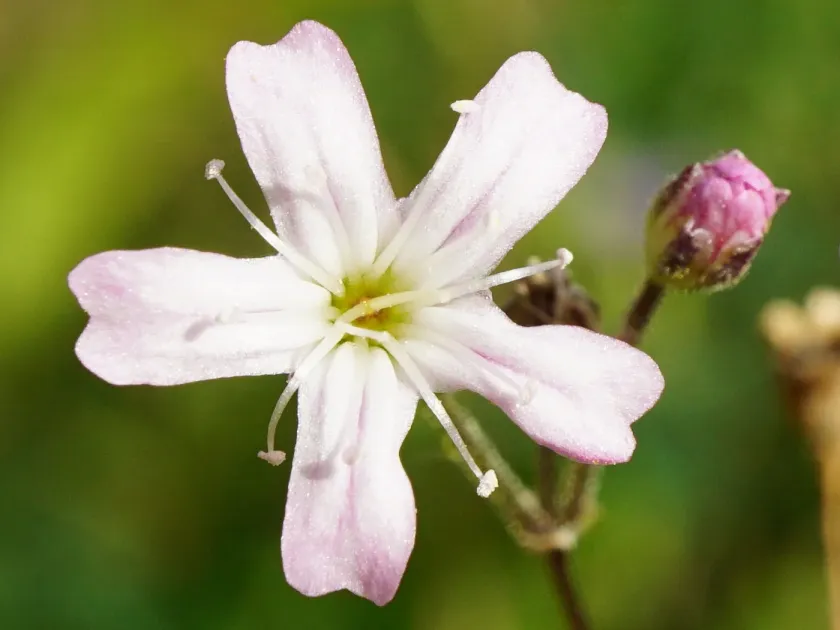
Description
Sowing dates
Gypsophila scorzonerifolia is a perennial herbaceous crop belonging to the Caryophyllaceae family. Seeds are typically sown in early spring, once the soil temperature reaches 10–12 degrees Celsius, or via late-autumn sowing.
Choosing a site with light, well-draining soil is essential for this crop. Because the plant develops a deep taproot system, it is highly sensitive to waterlogging, making proper soil preparation a priority.
Seeds should be planted at a depth of 1–2 centimeters. Maintaining consistent moisture levels during the germination phase is critical for achieving a uniform stand of seedlings.
As the seedlings emerge, weeding is necessary to prevent competition. The slow early growth rate makes the crop vulnerable to aggressive weeds, necessitating careful manual or mechanical intervention.
Proper spacing is required to ensure that each plant has enough room to develop its foliage and root system, which optimizes the quality and quantity of the harvest in later seasons.
Growing requirements
This crop thrives in full sunlight. Exposure to adequate light is crucial for both the accumulation of valuable saponins in the roots and for the aesthetic development of the flowers.
The ideal soil conditions are neutral to slightly alkaline. If the soil is too acidic, liming should be performed well in advance to optimize the pH for healthy root development.
Gypsophila scorzonerifolia is noted for its drought tolerance. Once established, it can withstand periods of low rainfall, making it a viable crop for regions with arid or semi-arid climates.
Fertilization should prioritize phosphorus and potassium to strengthen the root structure. Excessive nitrogen should be avoided as it can cause leggy growth and reduce the quality of the roots.
Excellent field drainage is a fundamental requirement. Even short periods of standing water can lead to root rot, which is the primary cause of crop failure in poorly managed fields.
Yield
The yield of this crop is measured by both the mass of the roots, used for industrial extraction of saponins, and the volume of flowering stems for the floral industry.
Harvesting usually begins in the second or third year of growth. By this stage, the plants have reached their peak biomass, providing a consistent and economically viable product.
Intensive cultivation techniques, including drip irrigation systems and balanced fertigation, can significantly increase total root yield compared to traditional dryland farming methods.
Field maintenance, such as regular inter-row cultivation, improves soil aeration, which directly correlates to a more robust root system and higher concentrations of active ingredients.
Sustainability in yield is maintained by following a proper crop rotation plan, ensuring that the field is not replanted with the same botanical family immediately after harvest.
Main diseases and pests
Fungal pathogens such as powdery mildew and various root rots pose the most significant risk. These diseases are usually triggered by humidity levels that remain too high during the growth cycle.
Insect pests, including wireworms and aphids, can cause localized damage. Wireworms primarily affect root health, while aphids target the succulent growth of the foliage and buds.
Effective management includes preventative fungicide applications during high-risk weather conditions and keeping the plantation free from weeds that may host various insect populations.
Biological control methods are becoming standard, using natural predators to keep pest populations at manageable levels without compromising the environmental profile of the crop.
Regular scouting of the fields is essential to detect any early signs of disease or pest infestation, allowing for quick action before the problem spreads across the entire plantation.
Harvesting
Root harvesting takes place in late autumn when the plant enters dormancy. This timing ensures that the concentration of saponins in the roots is at its maximum level.
Specialized harvesting equipment is used to undercut the soil at the appropriate depth, lifting the roots without causing mechanical damage to the sensitive plant tissues.
Once harvested, roots must be washed immediately to remove soil and then processed for drying. Rapid and uniform drying is necessary to preserve the chemical integrity of the active components.
For the florist market, stem harvest occurs during the blooming period. Cutting stems when the flowers are partially open maximizes their vase life for the final consumer.
Post-harvest storage requires a cool, dry environment with low humidity to prevent fungal spoilage and to maintain the shelf life of the dried root or fresh stem products.