
Gypsophila arabica
Gypsophila arabica
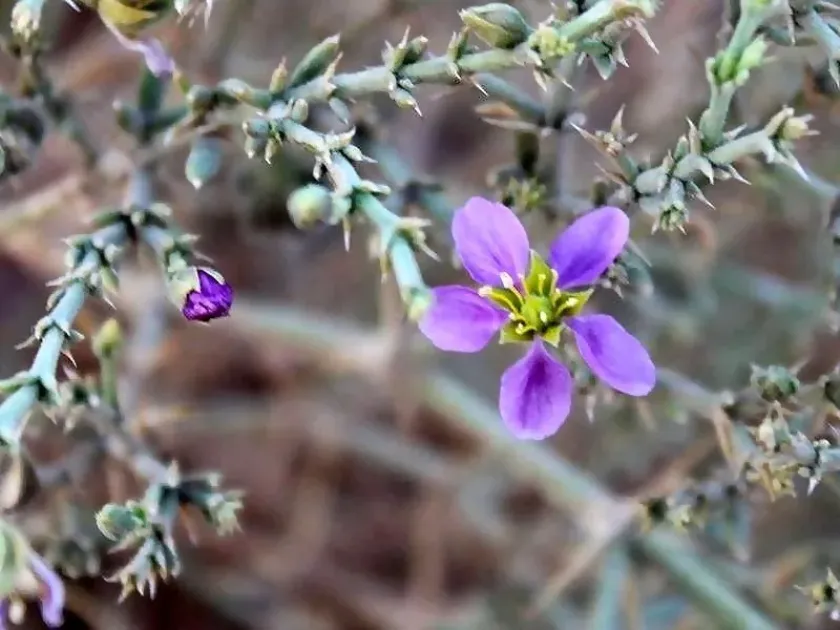
Description
Sowing dates
Sowing of Gypsophila arabica is best performed in the spring season once soil temperatures consistently reach 10–12 degrees Celsius. The seeds are very small and require a shallow sowing depth to ensure they receive sufficient light for germination.
For earlier production, growers often use greenhouse trays to start seedlings before transplanting them into open fields. Proper spacing is essential to prevent overcrowding and ensure adequate airflow for the developing plants.
The seeds exhibit high vigor under optimal temperature conditions. Using a high-quality, well-aerated substrate enriched with sand helps boost emergence rates and supports early root system development.
On a commercial scale, mulching the seed rows can be beneficial to maintain constant surface moisture, which is critical for the delicate seedlings during their initial growth phase.
In regions susceptible to late frost, planting should be delayed until the risk of sub-zero temperatures has passed, as the seedlings are vulnerable during the cotyledon leaf stage.
Growing requirements
Gypsophila arabica is a member of the Caryophyllaceae family and is recognized as a drought-tolerant plant native to arid and semi-arid regions of the Middle East.
The crop thrives in light, well-draining calcareous soils with a neutral or slightly alkaline pH. Poor drainage is the most significant limiting factor for successful cultivation.
Full sun exposure is mandatory throughout the day to ensure healthy growth and optimal flower production. Shade or limited light often results in weak stems and diminished bloom density.
While the plant is naturally adapted to water scarcity, supplemental irrigation is necessary during the peak budding and flowering stages to ensure a high-quality commercial harvest.
High humidity and poor ventilation are detrimental to this species, as they significantly increase the risk of physiological stress and the development of pathogenic fungi.
Main diseases and pests
The most significant threats to Gypsophila arabica include fungal pathogens such as gray mold and Alternaria leaf spot, which are often exacerbated by poor air circulation and excessive soil moisture.
Pests like aphids and spider mites can cause substantial damage during hot, dry spells. Regular monitoring and integrated pest management strategies are recommended to keep populations in check.
Soil-borne nematodes pose a significant risk, especially in fields where related Caryophyllaceae crops have been grown previously. Crop rotation is essential for maintaining soil health.
Weed control is critical during the establishment phase because the slow-growing nature of the seedlings makes them poor competitors for light and essential nutrients.
Preventative measures include the use of fungicide-treated seeds and maintaining optimal plant density to ensure that foliage dries quickly after dew or rainfall.
Harvesting
Harvesting should take place when 70–80 percent of the flower buds have opened. This stage provides the best balance of aesthetic appeal and post-harvest longevity for the cut flowers.
The harvest process should involve clean, sharp cutting tools to minimize tissue damage, followed by immediate placement in a cool environment to preserve turgor pressure.
When intended for use as dried flowers, the crop is harvested at peak maturity and air-dried in a dark, well-ventilated location to preserve the color of the inflorescences.
Post-harvest management involves grading the stems by length and bunching them securely. Proper packaging is required to prevent mechanical damage to the delicate floral structures during transport.
Efficiency in the harvest chain is paramount; reducing the time between cutting and cold-chain storage directly correlates with the final quality and shelf-life of the commercial product.