
Gypsophila pallasii
Gypsophila pallasii
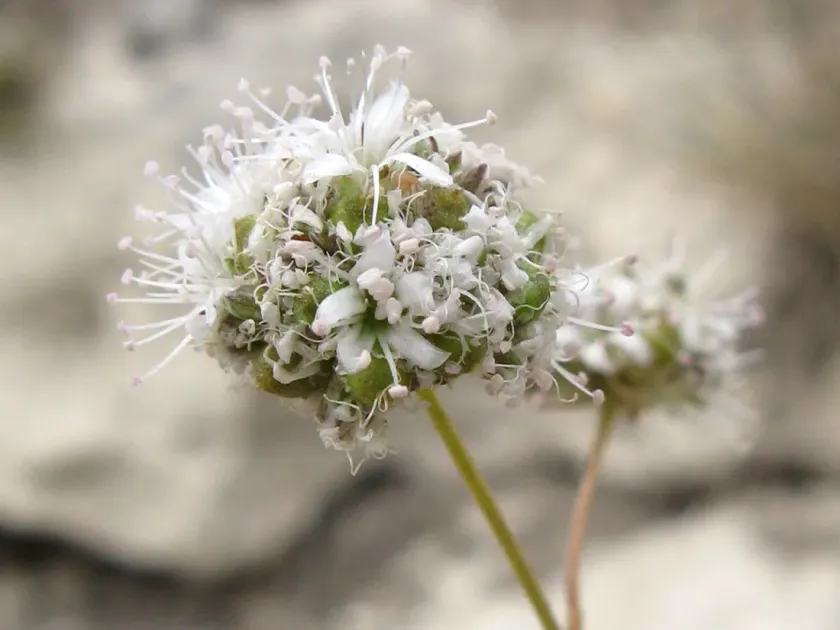
Description
Sowing dates
Sowing Gypsophila pallasii should typically occur in the early spring, once the soil has reached a stable temperature of at least 10-12 degrees Celsius. Proper seed scarification is often recommended to overcome dormancy and improve overall germination rates.
For direct outdoor sowing, selecting well-draining, loose soil is crucial to prevent early-stage damping-off. Seeds should be sown at a shallow depth of 1-2 centimeters, ensuring they are covered lightly to provide a stable germination environment.
In greenhouse settings, starting seeds in trays during March allows for better control over the seedling environment. Using a sterile, peat-free substrate minimizes the risk of pathogens and encourages healthy root development.
Transplanting seedlings to their final location should be done carefully to minimize disturbance to the delicate root system. Spacing should be maintained at 30 to 40 centimeters to ensure adequate airflow as the plants mature.
Optimal light exposure is necessary from the start of germination; inadequate light levels will lead to stunted, leggy seedlings that are less capable of surviving the transition to open-field conditions.
Growing requirements
Gypsophila pallasii belongs to the Caryophyllaceae family and is well-adapted to rugged, rocky terrains. It thrives in environments that provide excellent drainage and full sun exposure, mimicking its natural ecological niche.
The ideal soil profile for this species is neutral to slightly alkaline. Acidic conditions often inhibit growth and reduce the plant's natural resistance to environmental stress, making soil pH monitoring a critical agronomic task.
Water requirements are generally low, as the species has evolved to tolerate drought. Excessive moisture is more dangerous than moderate dryness, as it triggers root decay and invites secondary fungal infections in the plant tissue.
This species is highly resilient to temperature fluctuations, showing significant winter hardiness in temperate regions. Protecting the crown from prolonged saturated conditions during the dormant season is the most important winter-care practice.
Commercially, Gypsophila pallasii is valued for its hardiness and ornamental appeal. Furthermore, it is a subject of biochemical interest due to the presence of secondary metabolites, specifically saponins, used in various industrial and medicinal applications.
Main diseases and pests
Fungal diseases are the primary threat to the health of Gypsophila pallasii, particularly powdery mildew and various types of root rot. Maintaining low humidity around the foliage and ensuring soil drainage are the best prophylactic measures.
Pests such as aphids and spider mites can infest the crop, particularly when the plants are stressed by drought or high heat. Integrated pest management, focusing on early detection and minimal chemical intervention, is recommended.
Weed management is vital during the establishment phase, as the young plants are poor competitors. Frequent manual or mechanical weeding is necessary to ensure the crop has access to essential light and nutrients.
In cases of severe infection, targeted fungicide application is necessary. It is crucial to choose systemic products that do not leave harmful residues and to rotate chemical classes to prevent the development of resistant fungal strains.
Regular sanitation of the growing area, including the removal of dead foliage at the end of the season, plays a significant role in reducing the inoculum load for the following year, thus ensuring long-term field productivity.