
Gypsophila fastigiata
Gypsophila fastigiata
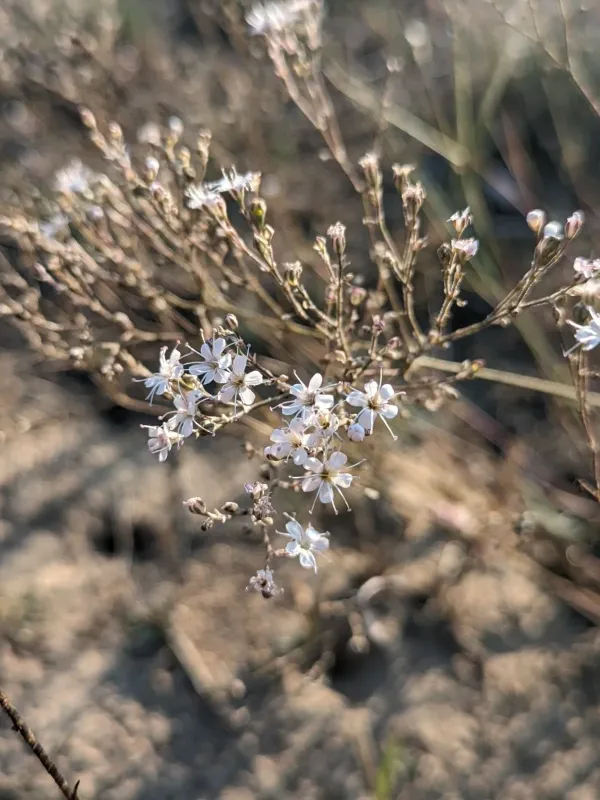
Description
Sowing dates
Sowing of Gypsophila fastigiata is typically performed in late autumn or early spring. The seeds are small and require minimal soil cover, ideally no more than 0.5 cm of fine substrate to ensure proper germination.
Using a seedbed with excellent drainage is crucial for success. The soil should be kept lightly moist, but not saturated, as waterlogged conditions will prevent seeds from sprouting.
For large-scale cultivation, plug trays are recommended to produce sturdy transplants. This method ensures uniform plant development and allows for better spacing when moving to the field.
When transplanting, maintain a spacing of at least 30-40 cm to prevent overcrowding. Proper spacing is essential to ensure that each plant receives maximum sunlight, which is vital for this species.
If direct seeding is chosen, thinning the seedlings once they reach a height of 5 cm will help maintain optimal density and promote stronger root growth throughout the season.
Growing requirements
Gypsophila fastigiata, a member of the Caryophyllaceae family, is a highly adapted plant for dry, sandy, or rocky habitats. It excels in low-nutrient environments where competition is minimal.
The plant thrives in full sun and requires well-drained soil with a neutral to alkaline pH level. Soils that are too acidic should be amended with lime to ensure optimal nutrient uptake.
Drought tolerance is a primary characteristic of this species. Once established, it requires very little additional irrigation, making it an ideal choice for low-maintenance agricultural plots.
In terms of climate, it is highly winter-hardy and requires minimal winter protection. The key requirement for overwintering is to ensure the soil remains free of ice crusts and standing water.
Organic mulching should be avoided around the base of the plant, as it may retain too much moisture. Instead, using inorganic materials like grit or gravel around the stem can prevent rot.
Main diseases and pests
Root rot is the most significant threat to Gypsophila fastigiata. It is usually caused by excessive moisture or poor drainage, which stresses the plant's delicate root system.
Fungal pathogens such as Botrytis may appear during periods of high humidity. Improving airflow by pruning surrounding vegetation can significantly reduce the risk of infection.
Pests such as aphids can occasionally infest the flower stalks. Regular monitoring and the application of insecticidal soaps, when necessary, are effective methods for controlling these outbreaks.
Nematodes are another potential threat that can affect plant vigor. Maintaining a healthy soil environment and avoiding the introduction of infected plant material are key preventive steps.
Finally, competition from aggressive weeds can stunt plant growth. Keeping the planting area clean is essential, especially during the first year of growth before the plant reaches full maturity.