
Italian Catchfly
Silene italica
Description
Sowing dates
Propagation is most commonly achieved via seeds. Sowing can be performed in late autumn for natural vernalization, or in early spring by cold-stratifying the seeds for several weeks to improve germination rates.
When sowing in trays, seeds should be sown on the surface of a well-draining substrate and covered very lightly with fine sand. Maintaining steady, moderate moisture is essential until the seedlings are established.
Transplanting should occur once the seedlings are strong enough to handle, typically after the first true leaves have developed. Ensuring sufficient spacing of 25–30 cm between plants is crucial for air circulation and root development.
The first year is generally dedicated to root development and rosette formation. Gardeners should exercise patience, as the full flowering potential is typically displayed in the second season after sowing.
Ongoing maintenance is minimal once established. Routine weeding around the base of the plant is recommended, especially in the first year, to prevent competition from vigorous weeds that could suppress the young catchfly.
Growing requirements
Italian Catchfly (Silene italica) is a perennial herb belonging to the Caryophyllaceae family. This species is native to the Mediterranean basin and southern Europe, typically thriving in dry, stony, and rocky habitats.
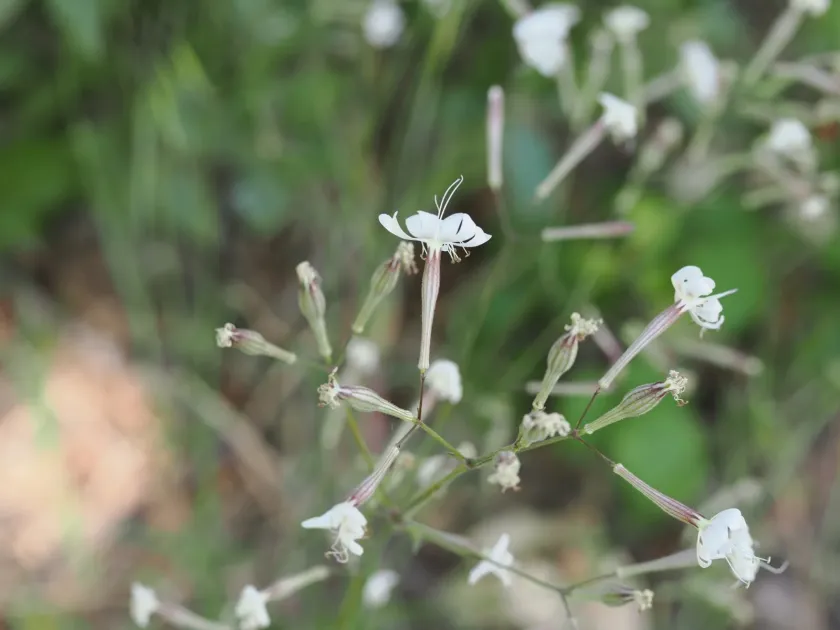
Botanically, it is characterized by a basal rosette of lanceolate leaves and glandular-pubescent stems reaching 30–60 cm in height. The inflorescence is a loose, open panicle consisting of delicate white or cream-colored flowers.
The plant requires full sun exposure to flourish and maintain its structural integrity. It is well-adapted to poor, rocky soils and exhibits high drought tolerance, making it an excellent candidate for xeriscaping or rock gardens.
Soil requirements prioritize excellent drainage. The species does not tolerate "wet feet," meaning heavy, water-retentive clay soils should be amended with grit or gravel to ensure the longevity of the plant's root system.
In terms of garden usage, Silene italica is prized for its elegant, airy appearance. It integrates seamlessly into naturalistic plantings and alpine collections, providing a subtle texture that complements more robust perennials.
Main diseases and pests
Root rot is the primary threat to Silene italica, usually caused by overwatering or poor soil drainage. Ensuring that the site remains dry during winter months is vital for preventing systemic failure.
Pests such as aphids may occasionally target the flower buds during the peak growing season. While these rarely pose a lethal threat, they can be managed with insecticidal soaps if an infestation occurs.
Powdery mildew may develop during periods of high humidity and poor airflow. Managing plant density and removing any accumulated garden debris around the base can significantly mitigate this risk.
Slugs and snails can cause damage to the tender basal leaves in early spring. Installing physical barriers or monitoring the area during damp evenings can help protect the plant from nocturnal feeding.
By adhering to proper site selection and avoiding excessive fertilization, most gardeners can avoid major disease pressures, allowing the Italian Catchfly to thrive for many years in the landscape.