
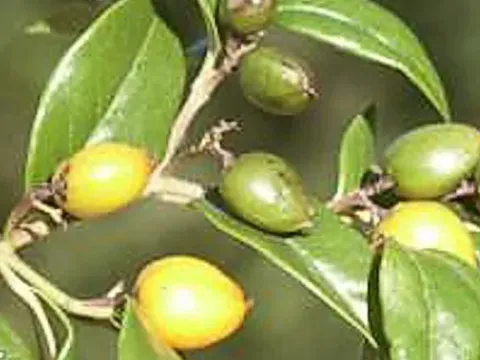
Cassinopsis
Cassinopsis
Cassinopsis is a genus of evergreen shrubs and small trees belonging to the Icacinaceae family. These plants are primarily native to Southern and Eastern Africa, where they adapt to various habitats ranging from forest margins to thickets.
What the section contains

Cassinopsis
The climate requirements for this genus include moderate temperatures typical of tropical and subtropical regions. They perform best in areas where they are protected from extreme frost and high heat, preferring partial shade over intense direct sunlight.
Regarding soil, Cassinopsis requires well-drained conditions to thrive. While they can tolerate different soil types, they prefer nutrient-rich, moist substrates. Proper aeration of the root zone is crucial to ensure healthy growth and prevent physiological disorders.
The morphology of the plant includes woody, often spiny branches that allow the shrub to scramble through other vegetation. The leaves are typically leathery and lustrous, an evolutionary trait that helps the plant manage moisture retention effectively.
In practice, Cassinopsis is mainly cultivated for ornamental use. Because it tolerates pruning well, it is a favored plant for creating formal and informal hedges, providing both privacy and a structural green element in botanical or residential gardens.
The most significant threat to Cassinopsis is related to moisture management, specifically root rot caused by stagnant water in the soil. Overwatering or poor drainage often triggers the proliferation of soil-borne fungi such as Phytophthora.
Common pests include scale insects and aphids, which attach themselves to the stems and the undersides of the leaves. By feeding on plant sap, they deplete the plant's energy and can lead to stunted growth or the appearance of sooty mold.
Environmental stress, including sudden drops in temperature, can lead to foliage drop and dieback of young shoots. During these periods, the plant becomes more vulnerable, and maintaining good cultural practices is essential for recovery.
Pest management should focus on early detection and the use of appropriate horticultural oils or systemic insecticides when necessary. Keeping the area around the base of the plant free of debris helps to reduce the local humidity and potential fungal inoculum.
Preventative maintenance includes regular pruning to encourage better air circulation within the canopy. This reduces the micro-humidity that fungal spores thrive in and ensures that the shrub remains healthy and visually appealing throughout the season.