
Hairy gypsophila
Gypsophila pilosa
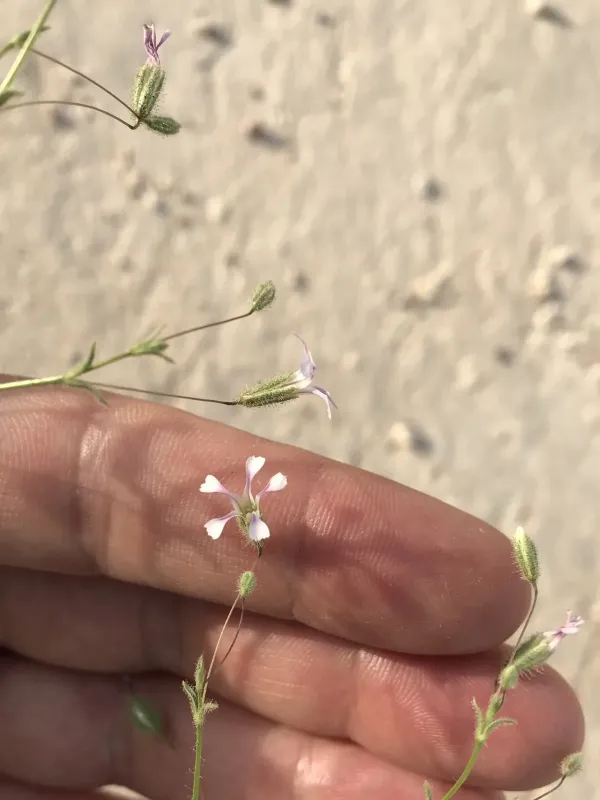
Description
Sowing dates
Sowing of Hairy Gypsophila in open ground is ideally performed during the spring season once the soil temperature consistently reaches 10–12 degrees Celsius. This timing ensures proper germination and establishment of the young plants before the summer heat.
For container-based propagation, seeds should be sown in late March using a well-draining, loose substrate. The seeds are very fine, so they must be covered only with a minimal amount of soil to allow sufficient light exposure for germination.
Ensuring adequate light for the seedlings is critical; otherwise, the plants will become weak and leggy. Maintaining a stable temperature and humidity in the nursery environment significantly increases the success rate of the nursery phase.
Seedlings are transplanted to the field once they reach the stage of 3–4 true leaves. A spacing of 30x40 cm is recommended to ensure each plant has enough space for proper root development and air circulation.
Crop rotation is an essential agronomic practice. To prevent the buildup of soil-borne pathogens, it is advised not to plant Gypsophila in fields previously used for other members of the Caryophyllaceae family.
Growing requirements
Hairy Gypsophila is a member of the Caryophyllaceae family that thrives in sunny, open locations. It is a highly light-demanding crop, and any form of shading will reduce flowering density and plant vigor.
The plant prefers light, sandy, or loamy soils with excellent drainage. It is particularly well-suited to alkaline or neutral soil conditions, which help prevent root rot and promote healthy plant physiological processes.
Standing water is extremely harmful to this species. Fields should be well-prepared to facilitate drainage, especially in areas with high rainfall, to prevent the death of the root system due to waterlogging.
This species is highly drought-tolerant, adapted to the steppe and foothill environments of its native range. While it survives with minimal irrigation, strategic watering during the bud development phase can improve yield quality.
Nutrient requirements are moderate. Excessive use of nitrogenous fertilizers should be avoided as it promotes excessive vegetative growth at the expense of flower production, leading to weaker plant stems.
Main diseases and pests
Fungal diseases are the primary threat to Gypsophila crops, especially in high-humidity conditions. Gray mold (Botrytis) and Fusarium wilt are among the most common pathogens affecting plant health.
Powdery mildew can become an issue if plant density is too high, preventing proper airflow around the leaves. Regular weeding and maintaining correct spacing are the first lines of defense against such outbreaks.
Nematodes represent a significant challenge as they attack the root system, causing yellowing and stunted growth. Soil analysis before planting and the use of certified, disease-free seed are essential preventive measures.
Pests like aphids and leaf miners can damage the developing buds. Regular field monitoring is necessary, and if the economic threshold of damage is exceeded, the application of targeted insecticides is recommended.
Integrated pest management, combining biological controls and responsible chemical usage, ensures the health of the crop while minimizing the impact on the local ecosystem.
Harvesting
Harvesting for the floral market is done when the majority of florets are fully open. This phase ensures the best visual appeal and extends the vase life of the cut flowers once they reach the consumer.
Timing the harvest for the early morning, just after the dew evaporates, helps maintain the turgor pressure of the stems. Proper tools must be used to ensure clean cuts, minimizing physical stress to the plants.
Once harvested, stems should be placed in clean water supplemented with floral preservatives to prevent wilting. Rapid transport to a cooling facility is necessary to maintain the quality of the delicate blossoms.
For seed production, the pods should be left on the plant until they turn brown but before they shatter. Once collected, they should be dried in a shaded, well-ventilated area to ensure seed viability.
Post-harvest management involves trimming the remaining plant foliage. This practice helps the perennial root system conserve energy, allowing the crop to successfully regenerate in the following growing season.