
Gypsophila aretioides
Gypsophila aretioides
Description
Growing requirements
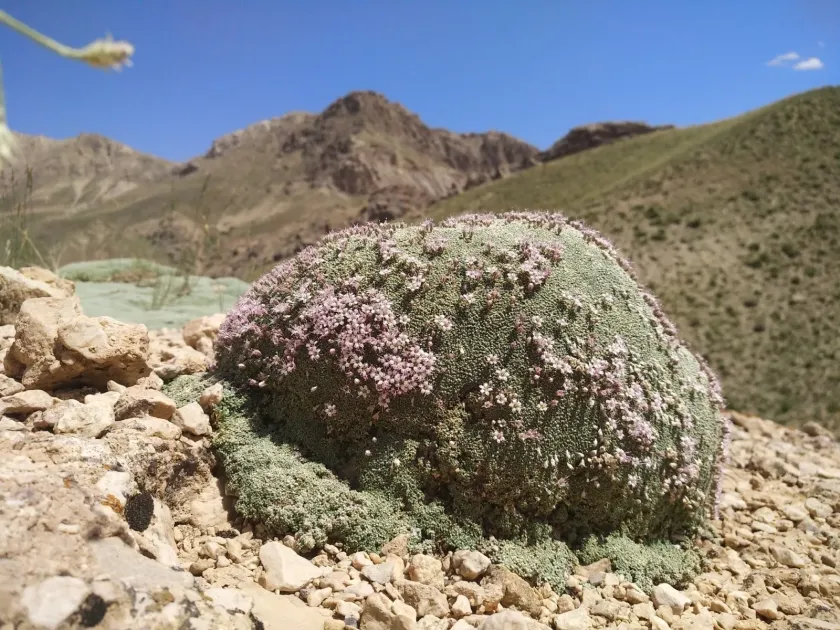
Gypsophila aretioides is a distinct perennial plant belonging to the Caryophyllaceae family. It is widely recognized for its extreme compact, cushion-forming growth habit, which allows it to thrive in harsh environments by minimizing water loss and resisting high winds.
The native distribution of this species includes the mountainous regions of the Caucasus and Iran. It is specifically adapted to high-altitude stony slopes, where it grows in limestone crevices or thin, sandy soil layers with very little organic matter.
When cultivating this species, the most critical factor is the drainage system. The plant absolutely requires a gritty, mineral-based substrate that allows water to pass through rapidly. Any stagnant moisture around the crown of the plant will lead to immediate tissue decay.
In terms of climatic requirements, it is highly drought-tolerant and thrives in full sun. It does not require fertilization and is highly adapted to nutrient-poor, alkaline soils. Excessive irrigation during the dormant period is the most common reason for failure in cultivation.
Its primary agricultural and horticultural utility is as a specimen plant for rock gardens, crevice plantings, and troughs. It provides a unique architectural element due to its moss-like, firm cushion structure that remains evergreen or persistent throughout the growing season.
Main diseases and pests
The primary threats to Gypsophila aretioides involve fungal infections triggered by excessive soil moisture and poor air circulation. Botrytis and various forms of root rot are common pathogens that can destroy the tight cushion structure if the environment is too humid.
Regarding pests, the plant is susceptible to attacks from slugs and snails, which can cause significant damage to the foliage during the early stages of growth. In some greenhouse environments, spider mites may present a localized threat during periods of high heat and low humidity.