
Gypsophila nana
Gypsophila nana
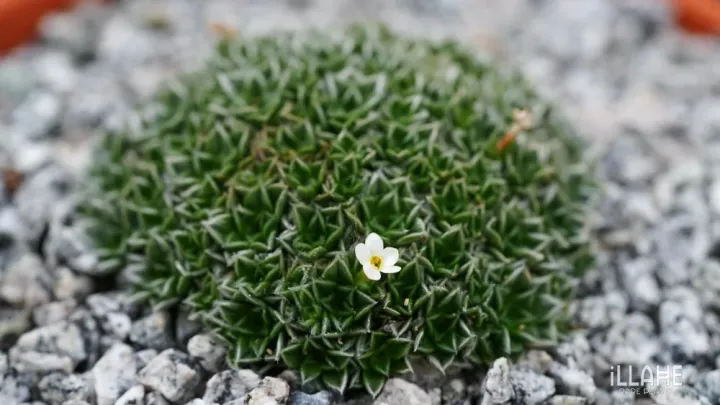
Description
Sowing dates
Sowing of Gypsophila nana seeds is typically carried out in late autumn or early spring, as soon as the soil is workable and free from frost.
For container cultivation, seeds are sown in mid-March using a well-draining, lightweight seed-starting mix to ensure successful germination.
The seeds require light to germinate, so they should be surface-sown and only lightly pressed into the growing medium rather than being buried deep.
Seedlings need to be kept in a bright location and provided with adequate air circulation to prevent damping-off disease in the early growth stages.
Once the risk of frost has passed, the hardened-off seedlings can be transplanted into their permanent outdoor locations with proper spacing.
Growing requirements
As a member of the Caryophyllaceae family, this plant thrives in full sunlight and performs best when positioned in exposed, well-lit garden areas.
Gypsophila nana prefers sandy, gravelly, or gritty soil conditions that provide exceptional drainage, as the plant is highly sensitive to root rot.
The ideal soil pH is neutral to slightly alkaline, making the species an excellent candidate for planting in rock gardens or limestone-based landscapes.
This species is well-adapted to alpine or mountain environments, demonstrating significant drought tolerance once it is fully established in the ground.
Minimal fertilization is required; excess nutrients, particularly nitrogen, should be avoided as they promote lush but weak growth prone to pests.
Main diseases and pests
Gray mold is a major threat in humid or wet conditions, often causing damage to the delicate foliage and stems of the dwarf gypsophila plant.
Poor soil drainage leads to crown rot, a condition that can quickly become fatal if the plant is forced to sit in stagnant water for an extended period.
Leaf nematodes can cause stunted growth and structural deformation, significantly affecting the plant's overall aesthetic and vigor in the landscape.
Slugs and snails may attack during wet seasons, targeting new growth and causing physical damage that leaves the plant vulnerable to secondary infections.
Good cultural practices, such as maintaining proper spacing and avoiding overhead irrigation, are essential to minimize the impact of these typical threats.