
Illecebrum
Illecebrum
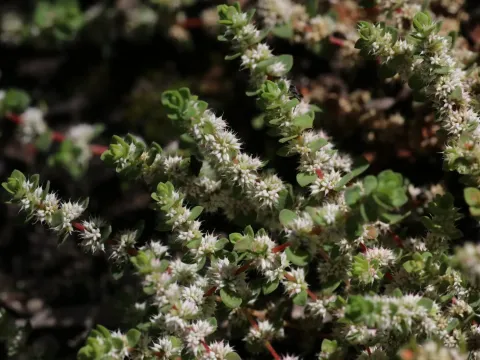
Illecebrum is a genus of flowering plants in the Caryophyllaceae family, consisting of a single species known as the whorled knotweed or Illecebrum verticillatum.
What the section contains

Illecebrum
The plant is typically found in moist, sandy, and acidic habitats, often colonizing the margins of ponds, ditches, and other damp environments where competition is limited.
It thrives in climates with temperate characteristics where consistent humidity levels are maintained throughout the growing season to prevent desiccation.
Botanically, it is recognized as a small annual herb with prostrate or ascending stems that can sprawl across the ground in dense clusters or mats.
Its foliage consists of small, opposite leaves accompanied by white, papery stipules that give the plant a distinct appearance when viewed closely in its natural habitat.
The survival of Illecebrum is highly dependent on environmental stability, and it is particularly sensitive to the drainage of wetlands and hydrological changes.
In high-moisture conditions, the plant may face pressure from fungal pathogens that thrive in saturated soil, potentially leading to plant tissue decay.
As a small herb, it is susceptible to encroachment by larger, more vigorous plant species that can easily shade out the low-growing Illecebrum.
Chemical runoff from nearby agricultural activities can significantly alter soil chemistry, creating unsuitable conditions for this specialized wetland species.
No specific commercial pest or disease control methods exist, as the plant is not cultivated but rather managed as a component of sensitive ecological zones.