
Herniaria lusitanica
Herniaria lusitanica
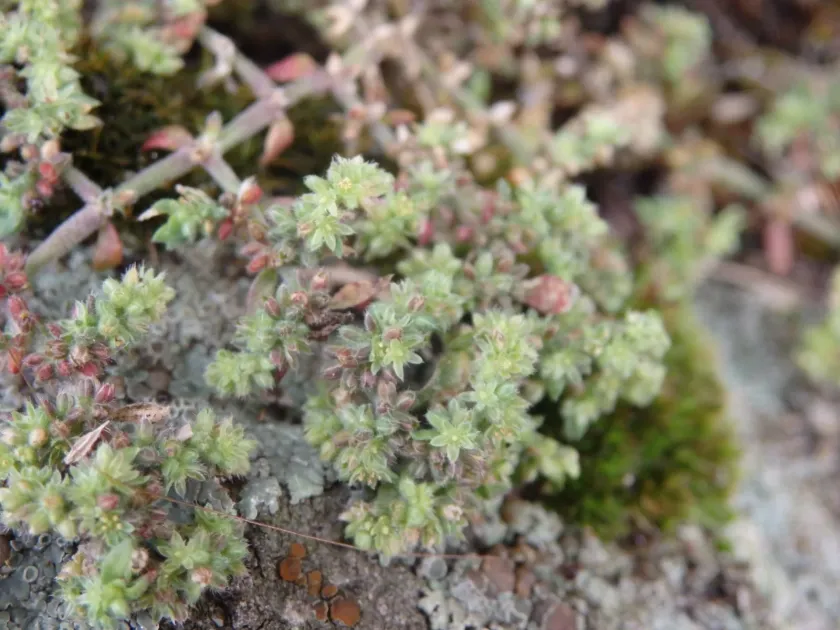
Description
Sowing dates
Sowing of Herniaria lusitanica should be performed in early spring once soil temperatures consistently reach 10-12°C. The plant thrives when established directly in the field, as the deep taproot is sensitive to transplantation shock.
Seeds are exceptionally small, requiring a shallow sowing depth of no more than 0.5 cm. Light coverage with sand or fine compost is recommended to keep seeds in contact with the soil while ensuring light exposure.
Row spacing of 20 to 30 centimeters is ideal for professional cultivation. This arrangement facilitates mechanical weeding during the early stages of growth before the canopy closes.
Germination usually takes 14 to 21 days depending on moisture levels. Consistent soil moisture must be maintained during this phase to prevent the surface from drying out.
Thinning should be performed once the plants have developed two sets of true leaves, ensuring a spacing of 10-15 cm between individual plants to encourage healthy lateral growth.
Growing requirements
Herniaria lusitanica belongs to the Caryophyllaceae family. It is a perennial plant known for its hardiness and ability to thrive in poor, nutrient-deficient, and rocky soils.
The plant requires full sun exposure to maintain its compact growth form and high concentration of bioactive compounds. Partial shade often leads to etiolated, weaker stems.
Soil structure should be sandy or stony with excellent drainage. While the plant is drought-tolerant, it will suffer in waterlogged conditions, which can lead to root rot.
It prefers a neutral to slightly alkaline pH. Excessive fertilization, particularly with nitrogen, should be avoided as it promotes succulent vegetative growth at the expense of medicinal quality.
Once established, the crop is highly self-sufficient regarding water intake. Supplemental irrigation is only necessary during extended heatwaves in the spring and early summer.
Main diseases and pests
The primary agronomic threats include root rot and damping-off, usually triggered by poor drainage or excessive humidity around the root crown during the seedling stage.
Aphids can occasionally infest the growing tips during dry periods. Integrated pest management strategies, including the use of biological controls, are preferred over synthetic pesticides.
Weed management is the most significant challenge in the first six weeks. Dense planting and early manual weeding are necessary to prevent competition for resources.
Mildew can occur in areas with poor air circulation. Thinning stands to ensure adequate breeze flow is an effective cultural practice to mitigate fungal issues.
Monitoring the soil moisture content using probes is recommended to avoid over-irrigation, which remains the single biggest risk factor for plant mortality.
Harvesting
The optimal harvest time occurs during peak flowering. This is when the chemical content, specifically the saponins and flavonoids, is at its highest concentration for medicinal extraction.
Harvesting is performed by mowing or cutting the aerial biomass approximately 3-5 cm above the soil surface, allowing the plant to remain healthy for potential subsequent regrowths.
Immediate post-harvest processing is critical. The biomass must be moved to a shaded, well-ventilated area to dry as quickly as possible without exposure to direct sunlight.
Drying racks should be utilized to maintain a layer thickness of no more than 5 cm, ensuring that moisture is removed evenly to prevent fermentation or mold development.
After reaching the target moisture level, the dried product should be stored in breathable, moisture-resistant packaging in a cool, dark, and dry warehouse facility.