
Gypsophila viscosa
Gypsophila viscosa
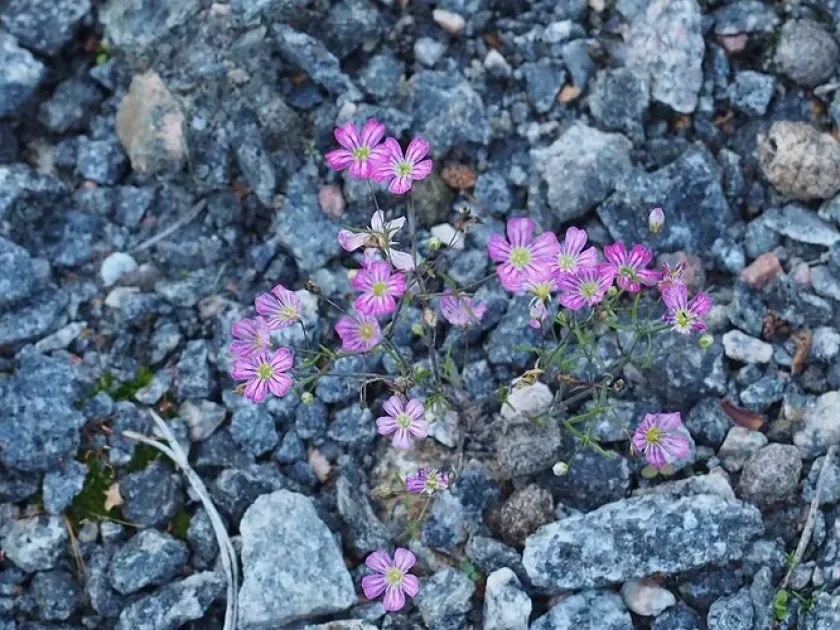
Description
Sowing dates
Sowing of Gypsophila viscosa is best performed in the spring when soil temperatures reach 12-15 degrees Celsius. For high-quality seedlings, greenhouse cultivation using a lightweight substrate during March or April is highly recommended.
Direct sowing into open ground should take place after the danger of night frosts has passed. Seeds should be sown at a shallow depth of approximately 0.5 centimeters, as they require sufficient light to ensure uniform germination and early establishment.
Recommended row spacing is 40-50 centimeters, which provides adequate airflow and facilitates mechanical weeding and cultivation. Maintaining this spacing is critical for preventing over-densification and reducing the risk of fungal pathogens.
When using the transplant method, seedlings should be moved to their permanent location once they reach the 3-4 true leaf stage. Hardening off the plants prior to transplanting is essential for increasing field survival rates and promoting root system development.
In regions with mild winters, autumn sowing is possible, allowing the seeds to undergo natural stratification. This technique often results in more vigorous spring growth and earlier flowering compared to standard spring-sown crops.
Growing requirements
Gypsophila viscosa is a perennial herb belonging to the Caryophyllaceae family, characterized by its sticky glandular hairs on stems and leaves. It is native to open, rocky habitats, which defines its preference for specific environmental conditions.
The crop requires excellent soil drainage, as waterlogging is detrimental to its root system. Ideally, it should be cultivated in light, sandy, or loamy soils with a neutral to slightly alkaline pH, which promotes healthy growth and vigor.
This species is highly drought-tolerant, making it an excellent choice for areas with limited irrigation potential. It does not require high levels of organic matter, although it responds positively to balanced mineral fertilization during the active growing season.
Full sun exposure is vital for the optimal development of Gypsophila viscosa. Insufficient lighting leads to elongated, weak stems and reduces the plant's decorative value, making site selection a critical factor for successful commercial production.
Careful management of fertilizer application is necessary, as excessive nitrogen levels can lead to excessive vegetative growth at the expense of flower production. This balance is crucial for ensuring the longevity and quality of the crop for floristic use.
Main diseases and pests
Root rot is the most significant threat to Gypsophila viscosa, typically triggered by excessive soil moisture or poor drainage. Pathogenic fungi quickly affect the vascular tissues, leading to sudden wilting and potential total crop loss if not managed.
High humidity levels can encourage the development of gray mold on foliage and buds. Implementing proper plant spacing and applying preventative systemic fungicides are essential strategies for mitigating these risks in humid production environments.
Various moth larvae (Noctuidae) may infest the crop during the bud formation phase, causing significant damage. Regular crop scouting and the use of integrated pest management (IPM) practices help maintain populations below economic injury levels.
Nematodes are another potential threat that can severely weaken the root system, increasing the plant's susceptibility to environmental stress. Proper crop rotation and using certified disease-free planting material are the best preventive measures.
Maintaining high sanitary standards by removing crop residues at the end of the season is essential. This practice significantly reduces the overwintering potential of pests and fungal spores, thereby protecting the next year's crop from infection.
Harvesting
Commercial harvesting of Gypsophila viscosa focuses on obtaining high-quality stems for floral arrangements. Harvest should take place during the peak flowering stage when most florets are open, ensuring maximum visual appeal and market value.
For dried flower production, plants should be harvested during dry weather and hung upside down in a shaded, well-ventilated area. This method preserves the structure and natural color of the inflorescences for long-term decorative use.
When collecting seeds, it is important to monitor the seed pods closely and harvest them before they naturally shatter. Post-harvest drying should occur in a shaded area to protect seed viability before cleaning and storage.
Industry-standard grading involves sorting stems by length and flower density to meet specific market requirements. Careful handling during harvest is necessary to prevent stem breakage and to extend the vase life of the cut flowers.
Following the harvest, field maintenance should include light fertilization to support the rejuvenation of perennial plants. This practice encourages better survival rates and sustained productivity for subsequent growing seasons, ensuring the long-term viability of the plantation.