
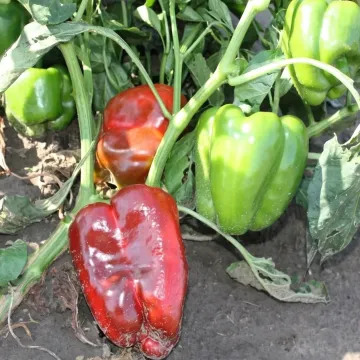
Description
Symptoms
The most diagnostic feature is the mosaic-like discoloration of leaves, resulting from impaired chlorophyll synthesis within the infected plant cells.
Affected plants often display distorted foliage, including leaf curling, crinkling, or significant reduction in leaf surface area (stunting).
Fruit quality is severely impacted, with manifestations like necrotic spots, streaking, ring patterns, or deformations that render the crop unmarketable.
Systemic infection typically manifests as reduced growth rates, shortened internodes, and general chlorosis, indicating the virus has moved through the vascular system.
Symptoms can be highly inconsistent and dependent on the viral strain, host cultivar, and environmental stressors, often necessitating laboratory testing for definitive identification.
Pathogen
Viral mosaics are a diverse group of infectious plant diseases caused by various viruses, including notable types such as Tobacco Mosaic Virus (TMV) and Cucumber Mosaic Virus (CMV).
These pathogens are obligate intracellular parasites lacking cellular structure. Each virion consists primarily of genetic material (RNA or DNA) enclosed within a protective protein capsid.
Viruses rely entirely on the host plant's cellular machinery to replicate their genetic material and synthesize necessary proteins for survival and spread.
The group is defined by common visual symptoms: a variegated pattern of light and dark green or yellow areas on the foliage, mimicking a mosaic design.
Transmission occurs through mechanical injury, contaminated tools, seed or pollen, and by specific biological vectors like aphids, whiteflies, thrips, and nematodes.
Conditions for development
The development of viral mosaics is heavily facilitated by high populations of insect vectors, which transmit the virus rapidly during feeding activities.
Warm and dry weather conditions frequently trigger surges in vector populations, accelerating the rate at which viruses are introduced into healthy plant stands.
Poor agricultural practices, such as the use of unsterilized pruning or grafting tools, serve as major pathways for the mechanical spread of viral pathogens across a field.
Plants compromised by poor nutrition, water stress, or suboptimal environmental conditions exhibit lower resistance, making them significantly more vulnerable to viral invasion.
Persistence of viruses in soil, debris, or perennial weed reservoirs ensures the carryover of infection from one growing season to the next, threatening new plantings.
Why it matters
The primary impact of viral mosaics is the significant reduction in photosynthetic capacity, which starves the plant of the energy required for growth and reproduction.
Infection leads to substantial yield losses, with the produce often being deformed, undersized, and of poor quality, leading to total economic failure in severe cases.
Because there is no "cure" for viral plant diseases, they remain among the most difficult phytosanitary challenges to manage in modern agricultural systems.
Systemic infection stresses the plant, leading to premature senescence and death, which significantly shortens the productive lifespan of the crop.
The highly contagious nature of many viruses, if left unchecked, can lead to widespread crop failure across an entire agricultural enterprise, causing massive financial deficits.
Protection
Control of viral mosaics relies exclusively on proactive prevention, as there are no chemical agents available to effectively eliminate viruses from infected plants.
- Utilize only certified, virus-free seeds and propagation materials for planting.
- Implement rigorous integrated pest management to control vectors like aphids and thrips.
- Maintain weed-free environments to remove potential alternate hosts and virus reservoirs.
- Sanitize all pruning and grafting tools between each individual plant using recommended disinfectants.
- Promptly rogue and destroy any plants showing signs of infection to prevent further spread in the field.
Content graph
Connections · Viral mosaics
Most often together:
Marketplace
Products · 350
All 350
Tomato 1478
Cucumber 684
Pepper 350
Potato 199
Lettuce 56
Zucchini 55
Sweet Corn 53
Bean 42
Corn 40
Eggplant 24
Cabbage 8
Pumpkin 6













Slonovo Uvo
SUPERIOR D.O.O. ZA POLJOPRIVREDNU PROIZVO
Pepper
0
0
·
75
8 offers
17.62 €per 1000 seeds
Buy



Slonovo Uvo
SUPERIOR D.O.O. ZA POLJOPRIVREDNU PROIZVO
Pepper
0
0
·
66
8 offers
13.5 €per 1000 seeds
Buy


Community
Discussion
No discussions yet — be the first.