

Disease · fungal · affects Avocado, Cattleya, Coconut palm
Especially harmful
Pythium root rot
Pythium
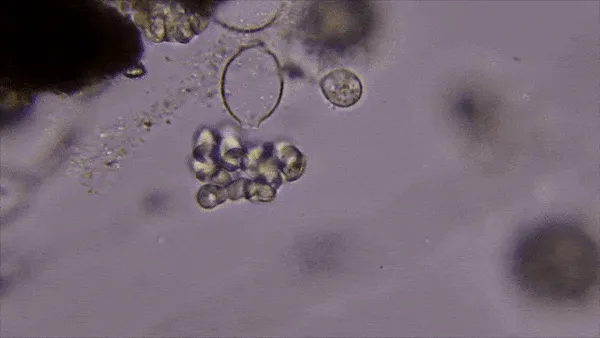
Description
Symptoms
Above-ground symptoms often mimic water stress, including wilting during midday, stunted growth, and yellowing of the leaves due to a lack of nutrient uptake.
The defining underground symptom is the necrosis of the root system, where roots turn brown, become soft or mushy, and eventually rot away completely.
In many cases, the outer layer of the root (epidermis and cortex) easily sloughs off when pulled, leaving only the central vascular core intact.
Damping-off of seedlings is a classic manifestation where the stem at the soil line becomes necrotic, causing the young plant to topple and collapse.
In larger crops like coconut palms, the damage progresses slowly, leading to gradual canopy decline and decreased fruit production over several seasons.
Pathogen
The pathogen responsible for this disease is the Pythium genus, a group of soil-borne oomycetes, often referred to as water molds. These organisms are highly adapted to aquatic and moisture-rich environments.
They produce thick-walled oospores that allow them to survive in the soil for several years, waiting for favorable conditions to germinate and infect new host tissues.
The pathogen utilizes motile zoospores, which travel through soil water films to locate and penetrate plant roots through natural openings or tissue wounds.
Pythium species exhibit a wide host range, commonly infecting agricultural and ornamental plants like oats, winter rapeseed, turnips, watermelons, papayas, cattleyas, and poinsettias.
The biological cycle involves the rapid destruction of root cells by secreting lytic enzymes that dissolve plant cell walls, leading to quick tissue degradation.
Conditions for development
High soil moisture and waterlogged conditions are the primary drivers of Pythium outbreaks, as zoospores require water to swim and reach the host roots.
Soil temperatures play a significant role, with many species preferring cooler, wet conditions, while others thrive in warmer, humid environments.
Poor soil aeration, caused by compaction or heavy clay textures, creates anaerobic conditions that favor the pathogen while stressing the plant roots.
Excessive irrigation or poorly timed rainfall often acts as the trigger for sudden disease outbreaks in fields and greenhouse production systems.
High levels of nitrogen fertilizer can induce succulent growth, which is more susceptible to rapid colonization by the pathogen upon infection.
Why it matters
The disease causes significant economic losses due to seedling stand failure, often necessitating expensive reseeding or replanting operations.
Mature plant productivity is severely reduced as the damaged root system can no longer support the water and nutrient requirements of the plant.
Secondary infections by other opportunistic soil-borne pathogens are common, as root wounds created by Pythium serve as entry points for bacteria and fungi.
The presence of long-lasting oospores makes the soil permanently infested, complicating future crop choices and requiring long-term land management.
Ornamental growers face substantial losses as infected stock like poinsettias become unsellable, impacting profit margins in the nursery industry.
Protection
Effective management begins with improving soil drainage, utilizing raised beds, or ensuring proper container aeration to prevent water accumulation.
Cultural practices such as crop rotation with non-host species and the use of healthy, pathogen-free planting stock are essential preventive measures.
Chemical control involving systemic fungicides applied as seed treatments or soil drenches provides a crucial defense barrier during the susceptible early growth stages.
Biological control agents, such as beneficial fungi like Trichoderma harzianum, can be applied to establish a protective barrier around the root zone.
Sanitation of tools, irrigation water treatment, and careful pest monitoring help mitigate the spread of the pathogen within greenhouse or field environments.
In brief
13
Affects crops
Biology
Pathogens and affected parts
Pathogens
Pythium· oomycete
Collybia dryophila· fungus
Cylindrocarpon destructans· fungus
Cylindrocarpon destructans· fungus
Fusarium· fungus
Helicobasidium brebissonii· fungus
Rhizoctonia crocorum· fungus
Phymatotrichopsis omnivora· fungus
Phymatotrichum omnivorum· fungus
Rhizoctonia· fungus
Phytophthora palmivora· oomycete
Phytophthora· oomycete
Affected plant parts
root
Content graph
Affects crops · 13
Content graph
Connections · Pythium root rot
Most often together:
Marketplace
Products · 61























Community
Discussion
No discussions yet — be the first.