
Coprosma
Coprosma
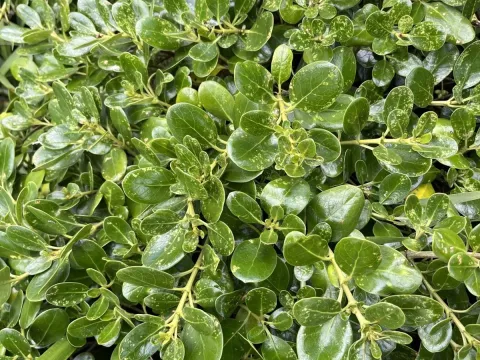
Coprosma is a genus of evergreen shrubs and small trees belonging to the Rubiaceae family. Native primarily to New Zealand, these plants are renowned for their glossy, often colorful foliage, which makes them highly valued in commercial horticulture and landscape design worldwide.
What the section contains
 Coprosma acerosa
Coprosma acerosa
Coprosma acerosa
 Coprosma arborea
Coprosma arborea
Coprosma arborea
 Coprosma areolata
Coprosma areolata
Coprosma areolata
 Coprosma australis
Coprosma australis
Coprosma australis
 Coprosma baueri
Coprosma baueri
Coprosma baueri
 Coprosma ciliata
Coprosma colensoi
Coprosma colensoi
Coprosma ciliata
Coprosma ciliata
Coprosma colensoi
Coprosma colensoi
 Coprosma crassifolia
Coprosma crassifolia
Coprosma crassifolia
 Coprosma cuneata
Coprosma cuneata
Coprosma cuneata
 Coprosma cunninghamii
Coprosma grandifolia
Coprosma grandifolia
Coprosma cunninghamii
Coprosma cunninghamii
Coprosma grandifolia
Coprosma grandifolia
 Coprosma hybrids
Coprosma hybrids
Coprosma hybrids
 Coprosma kirkii
Coprosma kirkii
Coprosma kirkii
 Coprosma linariifolia
Coprosma linariifolia
Coprosma linariifolia
 Coprosma lucida
Coprosma lucida
Coprosma lucida
 Coprosma macrocarpa
Coprosma macrocarpa
Coprosma macrocarpa
 Coprosma microcarpa
Coprosma microcarpa
Coprosma microcarpa
 Coprosma nitida
Coprosma nitida
Coprosma nitida
 Coprosma parviflora
Coprosma parviflora
Coprosma parviflora
 Coprosma petriei
Coprosma petriei
Coprosma petriei
 Coprosma pseudocuneata
Coprosma pumila
Coprosma pumila
Coprosma pseudocuneata
Coprosma pseudocuneata
Coprosma pumila
Coprosma pumila
 Coprosma rhamnoides
Coprosma rhamnoides
Coprosma rhamnoides
 Coprosma rigida
Coprosma rigida
Coprosma rigida
 Coprosma robusta
Coprosma robusta
Coprosma robusta
 Coprosma rotundifolia
Coprosma rotundifolia
Coprosma rotundifolia
 Coprosma tenuicaulis
Coprosma tenuicaulis
Coprosma tenuicaulis
 Coprosma tenuifolia
Coprosma tenuifolia
Coprosma tenuifolia
 Red coprosma
Coprosma rubra
Red coprosma
Coprosma rubra
 Stinkwood
Coprosma foetidissima
Stinkwood
Coprosma foetidissima
Coprosma
The culture thrives in mild, maritime climates with high humidity. It is generally not frost-hardy, requiring cultivation in greenhouses or sheltered outdoor spots in cooler regions. Providing a stable environment without extreme temperature fluctuations is key to maintaining the plant's health.
Regarding soil requirements, Coprosma demands well-draining substrate to prevent root rot. While they can adapt to various soil types, a slightly acidic to neutral pH is optimal. Regular fertilization with balanced nutrients during the growing season supports the development of dense, vibrant leaves.
A vital aspect of Coprosma agrotechnics is pruning. The plant responds very well to regular shaping, which allows growers to cultivate it as a hedge, screen, or even as an intricate topiary form. Pruning should be carried out in early spring to encourage bushy growth.
In terms of usage, Coprosma is a staple in coastal landscaping. Its natural resilience to salt spray and wind makes it an excellent choice for gardens located near the ocean, where other ornamental shrubs often struggle to survive or maintain aesthetic appeal.
Despite being relatively robust, Coprosma can fall victim to common greenhouse and indoor pests. Scale insects and mealybugs are the most frequent threats, often hiding in leaf axils and beneath foliage, draining the plant's sap and reducing its vigor.
Fungal diseases are a significant threat when air circulation is poor or humidity levels are excessive. Powdery mildew can manifest as a white film on leaves, while root rot is almost always a result of poor drainage or overwatering, often becoming irreversible if not detected early.
Integrated pest management involves monitoring the plants closely, especially under the leaves. Using neem oil or mild insecticidal soaps is often sufficient to control minor outbreaks without damaging the delicate, waxy texture of the foliage.
To prevent fungal issues, growers must ensure adequate spacing between individual plants and maintain a clean growing area free of decaying plant debris. Proper irrigation schedules that allow the top layer of soil to dry out between waterings are essential.
In cases of severe infestation, systemic chemical treatments may be necessary. It is crucial to strictly follow the manufacturer's safety guidelines and avoid over-application, as the plant can be sensitive to chemical stress, which may lead to leaf drop.